Nature
Snow: 23 Live Cameras — piling, lingering, melting
Twenty-three cameras with snow in them: seven that turn white in winter, eleven where it lingers into summer, five where it has already melted into a river.
What you can see
Gather the cameras that show snow and three seasons turn out to be in three different places: where it falls and settles, where it refuses to go, and where it has become water.
The seven that turn white in winter are on flat ground, in places where people are. At Kenrokuen garden the winter ropes draw cones over the pines; cherry in spring and colour in autumn follow in the same frame. Kifune shrine sits in the Kurama valley, colder than the city, so in winter the snow can be lying here and nowhere else. Jakko-in temple in Ohara is the same: far enough out and high enough that on a snowy day only this corner is white. Jigokunuma is a pond clouded by steam and hot water, where winter mixes snow and vapour. Crater Lake National Park has one of the heaviest snowfalls in the United States. In Korea, Seolcheonbong stands about 1,500 m up, where winter turns the ridge white with snow and rime. And at Grasslands National Park in Canada, bison dig through the snow to reach the grass.
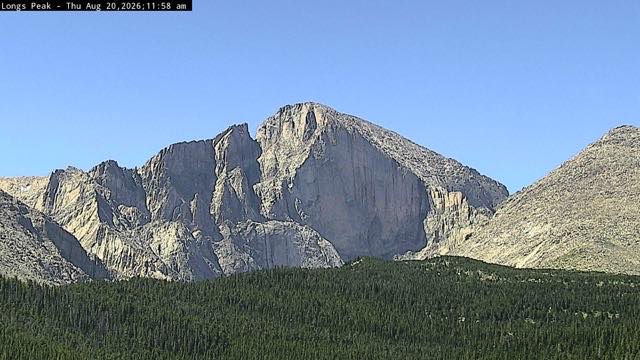
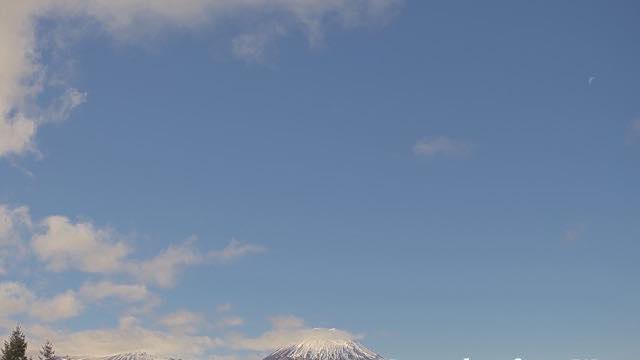
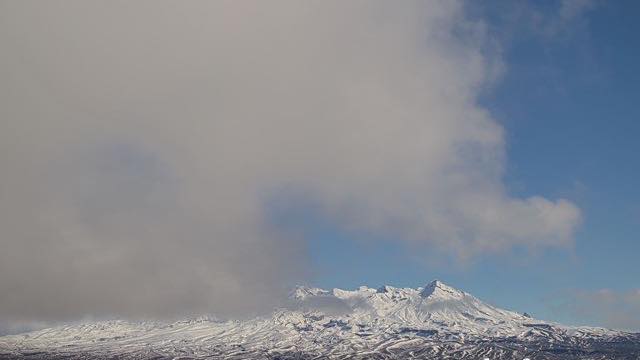
The eleven where it lingers are high mountains. On Mount Asama the snow left near the summit reads as both season and activity. Mount Gassan usually keeps streaks of snow into the summer, and Mount Chokai holds it late enough that white lines stay on the slope in summer. Mount Norikura has two cameras: from the plateau a snow patch survives the summer, and from the weather agency's camera the ridge keeps its snow for a long season. In the United States, Glacier National Park keeps snow near the summits through summer and Rocky Mountain National Park keeps it on the ridge in high summer. In New Zealand, Mount Ngauruhoe is known for its snow-capped cone, and Mount Ruapehu from the east holds its snow differently than it does from the north. From Xuejian in Taiwan, a clear day shows snow on the high Holy Ridge. Mount Cleveland in Alaska is the exception: its own heat is reported to clear the snow sooner than on the peaks beside it.
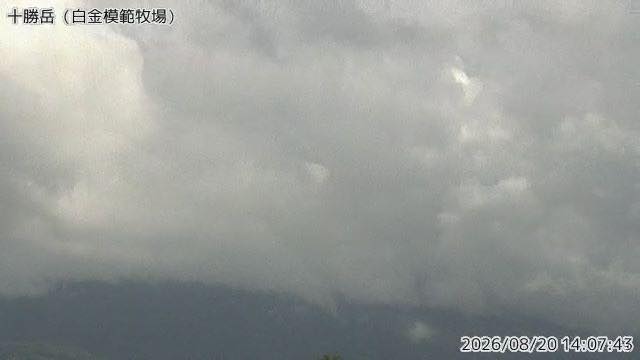
On the five where it has melted, no snow appears at all. What appears is the water level. Mount Tokachi erupted in 1926, melting snow all at once into a mudflow that did great damage below. The Kuzuryu and Hino carry Hakusan's meltwater to the Fukui plain, and rise easily in early spring. The Ara and Agano both drain snowy country and swell greatly in the spring melt. Among the Seki, Hime and Kurobe, the Kurobe carries meltwater from the Tateyama range onto its fan. The Hokkaido rivers rise in the spring melt and again at the end of summer when the typhoons come.
These twenty-three are gathered because snow is not only a winter thing. On one day you can see it lying, see it surviving a summer, and see the water it has become.
Cameras you can watch now: 23
10 video, 13 still. Tap one to open it in the camera list.
-
Live video
Kenrokuen garden
Kanazawa, Ishikawa · World Heritage · Nature
One of the three great daimyo gardens of Japan, seen from inside the grounds. In winter the yukitsuri ropes draw cones over the pines; in spring cherry blossom, in autumn colour, all in the same frame.
-
 Stream cover
Kifune shrine
Sakyo, Kyoto · World Heritage · Nature
The lantern-lined stone stairway of a shrine set in the Kurama valley. It is cooler here than in the city: in summer people pass on their way to the riverside platforms, and in winter snow can lie here alone.
-
 Stream cover
Jakko-in temple
Sakyo, Kyoto · World Heritage · Nature
A convent deep in the village of Ohara, reached by a stone stairway through cedars. High enough above the city that on a snowy day this place alone turns white.
-
 Sample September 2026
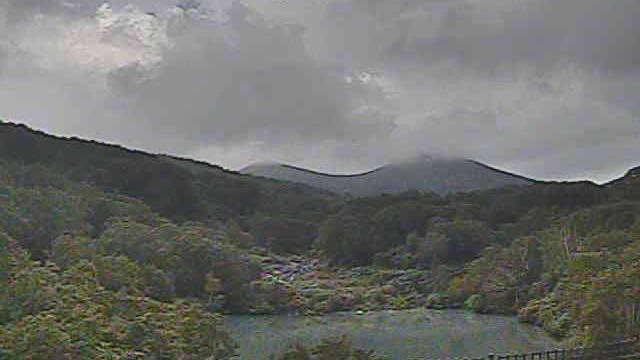
Jigokunuma, Hakkoda
Aomori · Volcano · Nature
A pond beside Sukayu hot spring, clouded by steam and hot water. Sulphur hangs in the air, and in winter snow and steam mix together.
-
 Sample September 2026
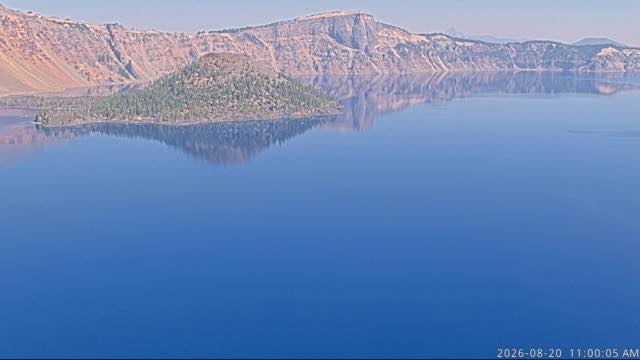
Crater Lake National Park
Oregon · Nature · Volcano
A caldera left by a collapsed volcano, filled with water. Famous for a blue that looks bottomless, and for some of the heaviest snowfall in the country.
-
Live video
Seolcheonbong, Deogyusan
Muju, North Jeolla · Nature
On top of a peak of about 1,500 metres. Snow and frozen trees turn it entirely white in winter, and a gondola reaches it, making this a defining Korean snow view.
-
Live video
Plains bison, west block
Saskatchewan, Val Marie · Wildlife · Nature
A wide view over a remote part of the park's west block. In winter bison dig through snow to graze here; in spring the herd arrives with calves. Deer, pronghorn and prairie songbirds pass through too.
-
 Sample September 2026
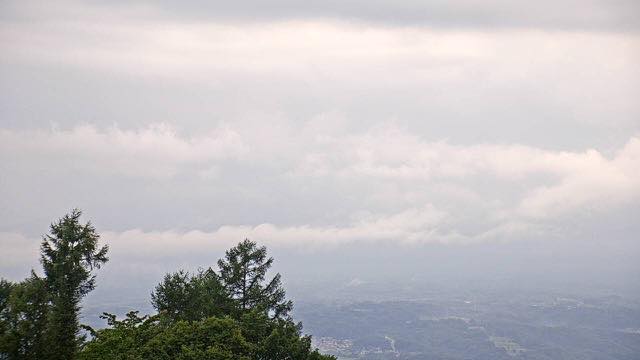
Mount Asama from Tsumagoi
Tsumagoi, Gunma · Volcano
An active volcano with long, gentle flanks. The plume and the snow near the summit tell you both the season and how active it is.
-
 Sample September 2026
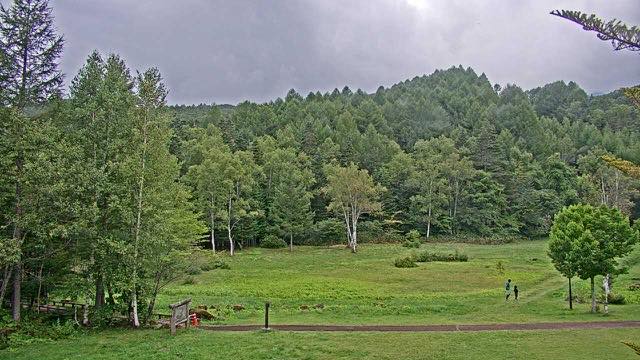
Mount Norikura from Norikura Plateau
Matsumoto, Nagano · Nature
A 3,000-metre ridgeline seen from the plateau below. Snow patches survive the summer, and on clear days you can pick out every notch in the ridge.
-
 Sample September 2026
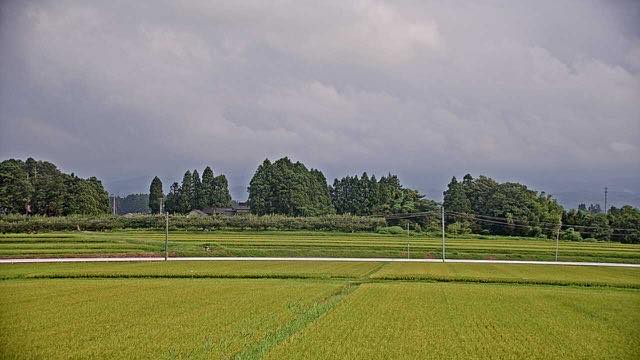
Mount Gassan from Haguro
Tsuruoka, Yamagata · Nature
One of the three Dewa mountains seen from the plain. The broad, gentle body of the mountain often keeps streaks of snow into summer.
-
 Sample September 2026
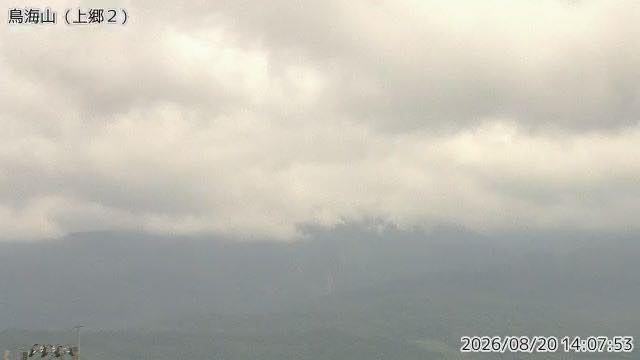
Mount Chokai
Yamagata / Akita border · Volcano · Nature
A mountain that rises almost straight from the Sea of Japan, also called Dewa-Fuji. Snow lasts late, leaving white streaks on the slopes into summer.
-
 Sample September 2026
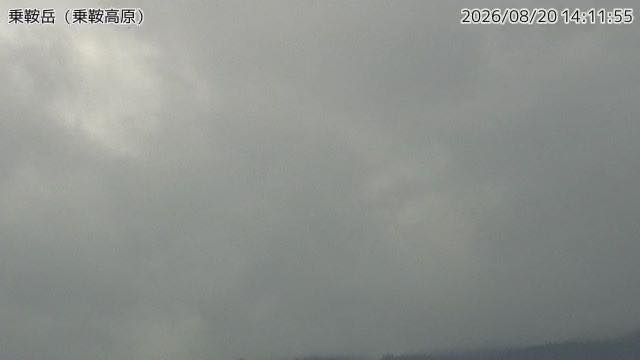
Mount Norikura
Nagano / Gifu border · Volcano · Nature
A bus takes you to nearly 2,700 metres. The camera looks at the summit ridge from the Norikura plateau side, where snow stays on the ridge for months.
-
 Sample September 2026
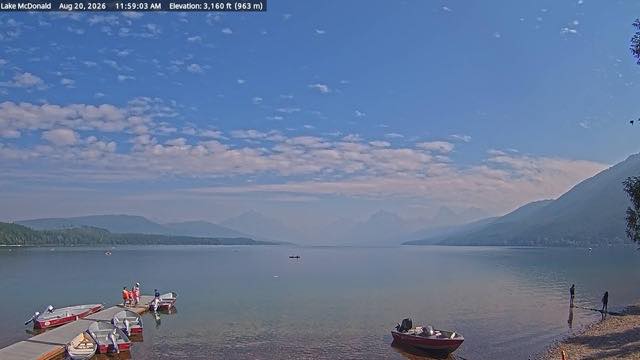
Glacier National Park
Montana · Nature
Sharp glacier-carved peaks and lakes. Snow lingers near the summits even in summer, and on clear days the ridgelines run a long way back.
-
 Sample September 2026
Rocky Mountain National Park
Colorado · Nature
A mountain park with a road over a 3,000-metre pass. Snow holds on the ridges through midsummer, and thunderheads build most afternoons.
-
 Sample September 2026
Mount Ngauruhoe
North Island · Volcano
A near-perfect stratovolcano cone. Striking under snow, and familiar to many people from film.
-
 Sample September 2026
Mount Ruapehu, east
North Island · Volcano
The same crater-lake summit seen from the eastern flank. Snow lies differently here than it does on the northern view.
-
Live video
Xuejian
Shei-Pa, Miaoli · Nature
A lookout facing the high ridge known as the Holy Ridgeline. On clear days the snow-covered crest stands out sharply.
-
Still image
Mount Cleveland
Alaska · Volcano
A 1,730 m cone that makes up the whole western half of an uninhabited island. It is reported to lose its snow faster than neighbouring peaks, apparently from its own heat.
-
 Sample September 2026
Mount Tokachi
Biei, Hokkaido · Volcano · Nature
The 1926 eruption melted the snow all at once into a mudflow that did great damage below. The summit is seen over the gentle pastureland on the Biei side.
-
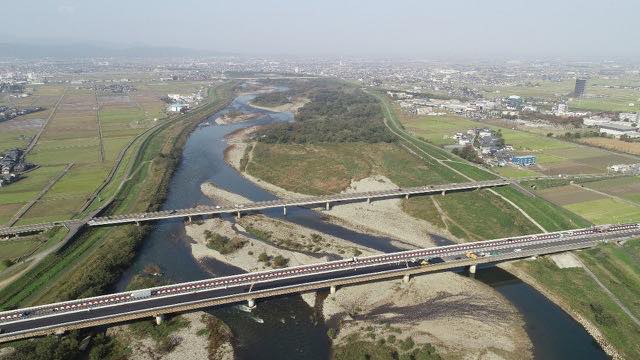 Stream cover
Kuzuryu and Hino Rivers
Fukui · River
They carry snowmelt from Mount Haku onto the Fukui plain. Levels rise easily in early spring as the snow goes.
-
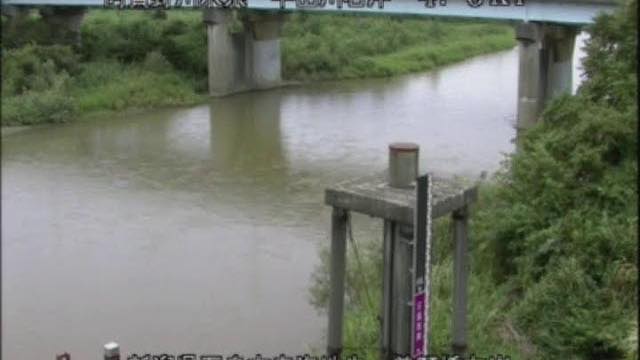 Stream cover
Ara and Agano river systems
Niigata–Fukushima · River
The Arakawa in northern Niigata, and the Aganogawa, which flows out of the Aizu basin in Fukushima and crosses the Niigata plain. Both drain snowy country and swell in the spring melt.
-
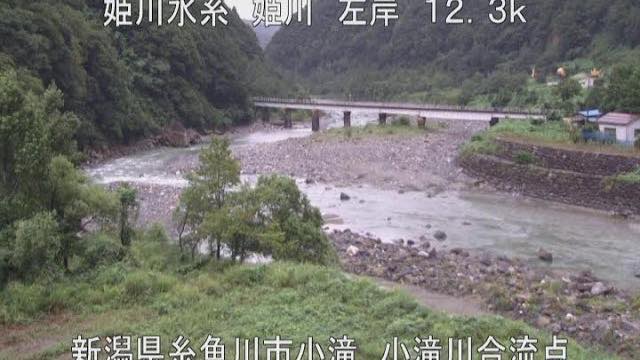 Stream cover
Seki, Hime and Kurobe river systems
Niigata–Toyama · River
Three steep rivers with only a short distance from mountain to the Sea of Japan. The Himekawa carries Itoigawa's jade downstream, and the Kurobegawa spills snowmelt from the Tateyama range onto its alluvial fan.
-
 Stream cover
Hokkaido rivers 1
Hokkaido · River
The first of two streams from the Hokkaido Regional Development Bureau. Between them they cycle through cameras at 32 points on 13 river systems, among them the Ishikari, Teshio, Tokachi and Kushiro. Levels rise with the spring melt and again at the end of summer, when the typhoons arrive.
When to watch
The seven winter cameras read best on the morning after a fall. Kifune and Jakko-in are higher than the city, so set beside the other Kyoto cameras there are days when only these are white.
The eleven mountains are the opposite. They are not about how much snow there is but how long it stays. Opening them in summer and still finding white on the slope is the point of this group.
The five rivers belong to early spring, when the snow above them turns into water and the level rises. Decisions about evacuating belong to your local authority; these cameras are for seeing how things look.
How often the picture changes depends on the source. The four Japan Meteorological Agency cameras refresh every 2 minutes, the three Ministry of the Environment ones every hour, and the two GeoNet ones every 10 minutes. The rest are video, moving while you watch.
Mind the time difference. The one Korean camera is on the same clock as Japan; the one in Taiwan is an hour behind. The two in New Zealand are three to four hours ahead, and the five in the United States and Canada are in darkness while Japan is in daylight. Open them on a Japanese morning and America is still on the afternoon before.
The sources give no date for a first snowfall or a lasting one, so this page sets none either.
If it isn't showing
The sources are Ishikawa Prefecture, the Ministry of Land, Infrastructure and Transport (the Kyoto National Highway Office and the river live streams), the Japan Meteorological Agency, the Ministry of the Environment, the US National Park Service, the Alaska Volcano Observatory, GeoNet New Zealand, the Korea National Park Service, Shei-Pa National Park and explore.org. Kenrokuen, Seolcheonbong, Grasslands, Xuejian and Mount Cleveland carry no sample image, either because the source does not allow the picture to be copied or because no usable frame has been taken yet; how to use this site, and where it comes from explains it. If a picture will not appear at all, see what is happening when a live camera shows nothing.
For the single day a mountain first turns white, First Snowcap is the better page. This one gathers snow across the whole year.
Each place in full: Cherry Blossom (Kenrokuen), The Hills of Kyoto (Kifune, Jakko-in), The Volcanoes of Tohoku (Hakkoda, Chokai), Mount Asama, Mount Norikura (both), Mount Tokachi, US and Korean National Parks (Crater Lake, Deogyusan), Rocky Mountain Parks (Glacier, Rocky Mountain), Tongariro National Park (Ngauruhoe, Ruapehu), Shei-Pa, Taiwan (Xuejian), West Aleutian Volcanoes (Cleveland), Bison and Musk Oxen (Grasslands), The Kuzuryu River, The Hokuriku and Shinetsu Rivers (two), The Rivers of Hokkaido.
The volcanoes themselves are under Volcano, the rivers under River, and the wider views under Nature.
Where to find Snow
- Ishikawa6
- Kyoto34
- Aomori4
- United States86
- South Korea14
- Canada8
- Gunma7
- Nagano8
- Yamagata2
- New Zealand11
- Taiwan35
- Hokkaido17
- Fukui13
- Niigata4
Agencies publishing the cameras on this page
- Alaska Volcano Observatory (Free to use with credit) — Official site
- GeoNet New Zealand (CC BY 3.0 NZ) — Official site
- Ishikawa Prefecture, Parks and Green Spaces Division (Links free, no reuse) — Official site
- Japan Meteorological Agency — volcano surveillance cameras (PDL 1.0) — Official site
- Korea National Park Service (Public work, free use) — Official site
- Kyoto National Highway Office, MLIT (PDL1.0) — Official site
- MLIT river live streams (Government Standard Terms 2.0) — Official site
- Ministry of the Environment — Internet Nature Institute (PDL 1.0) — Official site
- Shei-Pa National Park (Taiwan open government data) — Official site
- U.S. National Park Service (U.S. government work) — Official site
- explore.org (Deep links and embeds OK, no image reuse) — Official site
The footage belongs to each agency. This site is an unofficial guide, and each sample frame was copied once per camera under that agency's terms of use.