Nature
Oku-Nikko: 2 Live Cameras in Japan
The highland above the Irohazaka switchbacks, over 1,200 m up. Two lakes, watched by two agencies for two completely different reasons.
What you can see
Nikko is really two places. Above the shrines and temples, the Irohazaka road climbs to a plateau over 1,200 m, and that is Oku-Nikko: Lake Chuzenji, the Senjogahara marsh, and Lake Yuno in a line.
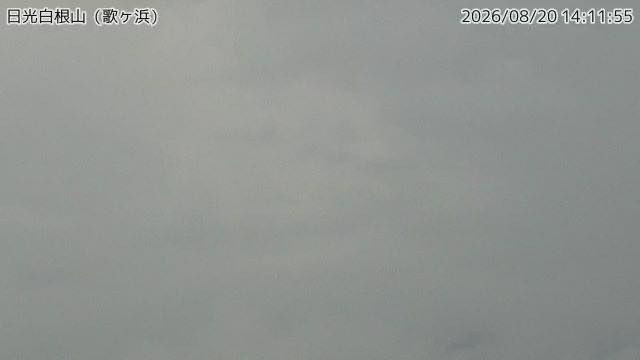
The two cameras here were installed for unrelated purposes. The Nikko-Shirane camera belongs to the Meteorological Agency and exists to monitor a volcano — but it stands on the shore of Lake Chuzenji, facing west across the water at the ridgeline beyond. So a volcano-monitoring camera happens to deliver the lake. Nikko-Shirane is the highest mountain in the Kanto region.
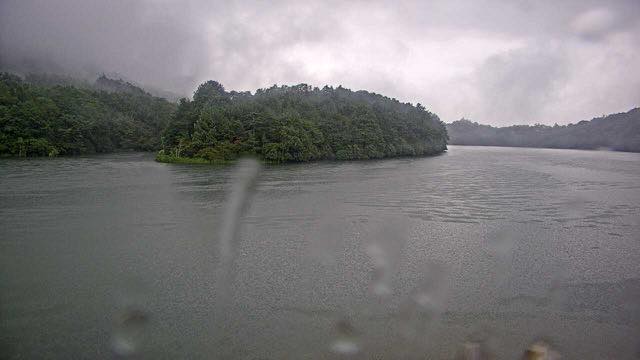
The Lake Yuno camera is an Environment Ministry scenery camera. The lake is small, sits at around 1,400 m and is ringed by old-growth forest. Its water leaves as the Yudaki falls, crosses Senjogahara and ends up in Lake Chuzenji — so the two cameras are looking at the top and the bottom of the same water.
Both lakes were made by volcanoes. Chuzenji formed when an eruption of Mount Nantai dammed a valley; Yuno was blocked off the same way.
Cameras you can watch now: 2
All 2 are still images. Tap one to open it in the camera list.
-
 Sample August 2026
Mount Nikko-Shirane
Tochigi / Gunma border · Volcano · Nature
The highest mountain in the Kanto region. The camera sits on the shore of Lake Chuzenji and looks west at the range beyond the water.
-
 Sample August 2026
Lake Yunoko, Oku-Nikko
Nikko, Tochigi · Nature
A small lake at around 1,400 metres, ringed by old-growth forest. Autumn colour and winter ice both show clearly.
When to watch
October. Autumn comes early this high up: Lake Yuno turns in the first half of the month, the Chuzenji shore in the second. Open both in sequence and the difference in altitude is right there in the colour.
In winter Lake Yuno freezes, going white against the dark forest around it. The roads up here ice over, which is exactly when a camera beats going in person.
Mornings. It is high ground, and in the afternoon mist comes up out of the valleys and takes the view — in summer the far shore is often gone by early afternoon. Note the refresh rates differ: the Meteorological Agency camera every two minutes, the Environment Ministry one only hourly, so Lake Yuno may not change if you reload.
If it isn't showing
Both are stills and neither shows anything at night. The Mount Nikko-Shirane camera is not on the mountain: it stands on the shore of Lake Chuzenji looking west, so the water is always in the foreground. Lake Yunoko refreshes only once an hour, so reopening it can hand you the same picture again.
Both also appear on the Tochigi page. Nikko-Shirane straddles the border with Gunma, but the camera is on the Tochigi shore, so it is not counted on the Gunma page.
Both are also on the Autumn Leaves page. Yunoko and Chuzenji are the upper and lower ends of the same water, so the gap between the two cameras' colour is the difference in altitude and nothing else.
Where to find Oku-Nikko
Agencies publishing the cameras on this page
- Japan Meteorological Agency — volcano surveillance cameras (PDL 1.0) — Official site
- Ministry of the Environment — Internet Nature Institute (PDL 1.0) — Official site
The footage belongs to each agency. This site is an unofficial guide, and each sample frame was copied once per camera under that agency's terms of use.