Nature
US and Korean National Parks: 28 Live Cameras
Japan's Ministry of the Environment puts cameras in its national parks, and so do the agencies that look after parks elsewhere: 14 from the U.S. National Park Service and 14 from the Korea National Park Service. They are ordered by when daylight reaches them, read from Japan.
What you can see
All 28 are cameras the park agency installed itself. They exist to show what the park looks like today rather than to advertise it, which puts them close in spirit to the Japanese cameras elsewhere on this site.
The two countries deliver them differently. The 14 American cameras are still images, and no refresh interval is published — treat each one as a frame from shortly before you opened it. The 14 Korean cameras are 24-hour live video. The park service marks works that may be reused freely, and the live pages carry no such mark, so this site does not restage the video and only points you to the official page. That is why the Korean cards have no sample image.
The American side covers an extraordinary range of ground: a geyser that erupts on a near-schedule, white terraces built up by the lime that hot water carries, a canyon cut through two billion years of rock, glacier-carved peaks, a park where rainforest meets coastline, a desert of strange trees, a caldera filled with water, and a stratovolcano under permanent ice. Opened one after another they hardly look like the same country.
On the Korean side what stands out is how close the mountains are to the cities. Bukhansan begins immediately north of central Seoul, and the Sapaesan view has housing running right up to the slope. Ulsanbawi on Seoraksan and the pinnacles of Juwangsan are weathered granite; Sobaeksan, Deogyusan and Mudeungsan are ridgelines that ice over in winter; Taeanhaean and Byeonsanbando sit on the wide-tidal Yellow Sea; Dadohaehaesang and Hallyeohaesang look out over island-scattered water.
Cameras you can watch now: 28
15 video, 13 still. Tap one to open it in the camera list.
-
 Sample August 2026
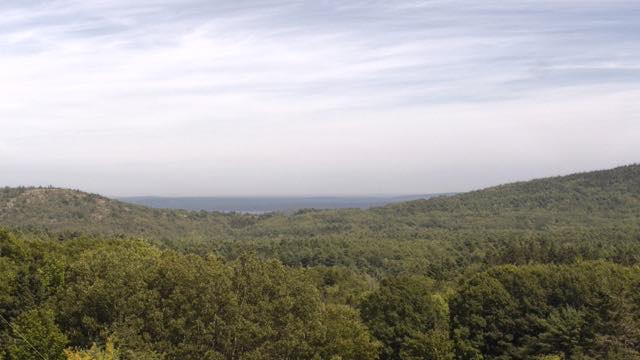
Acadia National Park
Maine · Nature
Rocky coastline meeting low mountains on the east coast. One of the first places in the continental United States to get the morning sun.
-
 Stream cover
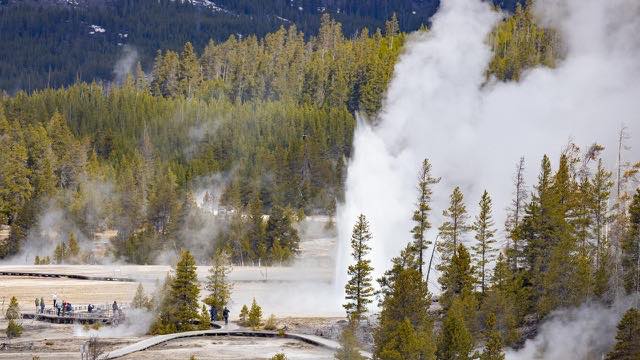
Old Faithful Geyser
Wyoming · Nature
A geyser that erupts on an almost dependable schedule. Between eruptions there is only quiet steam, and the waiting is half the attraction.
-
 Sample October 2026
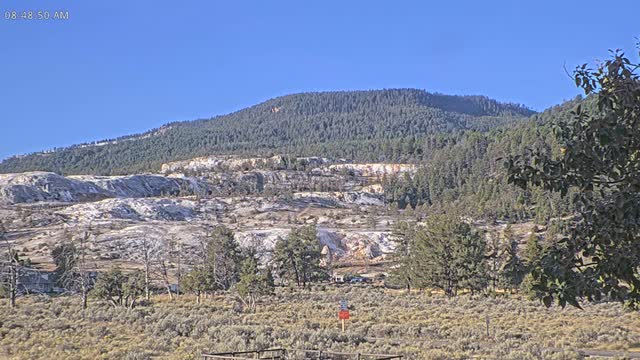
Mammoth Hot Springs
Wyoming · Volcano · Nature
A white hill built up in steps out of limestone carried by hot water. When the water finds a new path the dry terraces fade to grey, so the pattern shifts from year to year.
-
 Sample October 2026
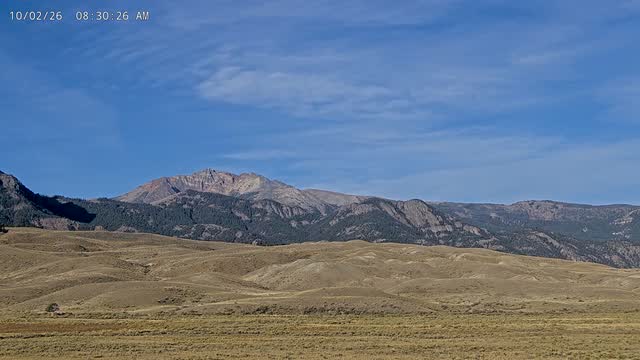
Electric Peak
Wyoming · Nature
A 3,343 m peak at the northern edge of the park, seen head on across dry grassland. Early in the day the low light picks out every fold in the slope.
-
 Sample October 2026
Mount Washburn
Wyoming · Nature
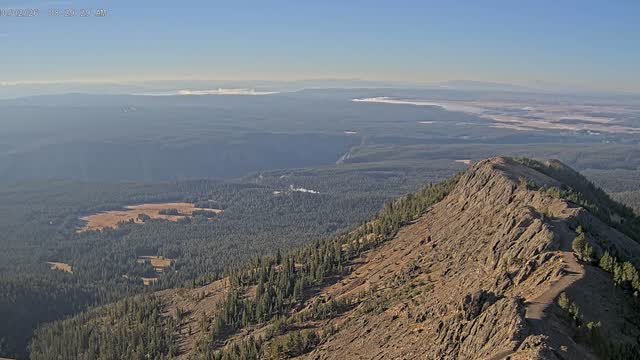
Looking south-west from the fire lookout on the 3,122 m summit. On clear days the view reaches the floor of the caldera and Yellowstone Lake.
-
 Sample August 2026
Glacier National Park
Montana · Nature
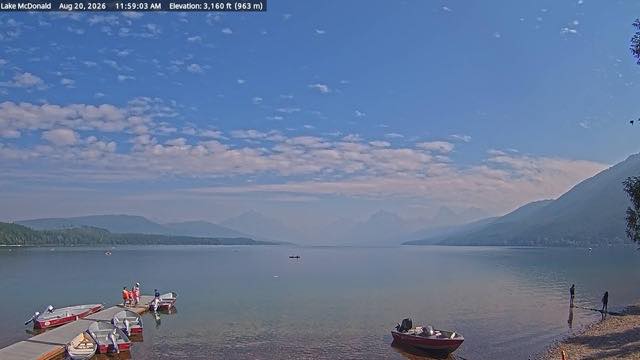
Sharp glacier-carved peaks and lakes. Snow lingers near the summits even in summer, and on clear days the ridgelines run a long way back.
-
 Sample August 2026
Rocky Mountain National Park
Colorado · Nature
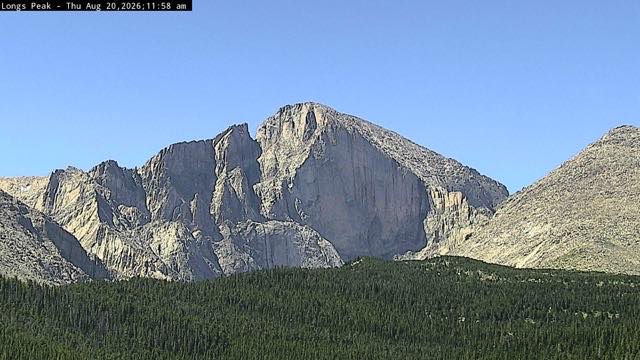
A mountain park with a road over a 3,000-metre pass. Snow holds on the ridges through midsummer, and thunderheads build most afternoons.
-
 Sample August 2026
Grand Canyon
Arizona · Nature
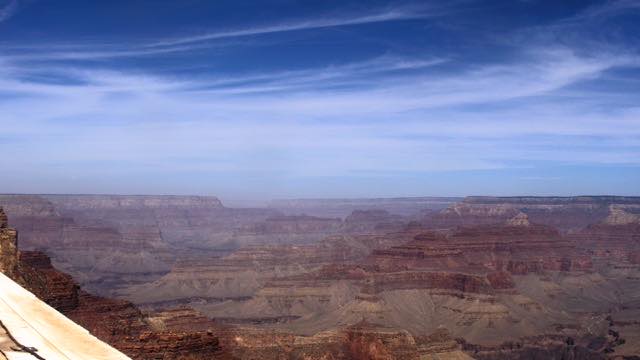
Two billion years of rock cut into a canyon. Around sunrise and sunset the walls turn red, and the place looks like somewhere else entirely.
-
 Sample August 2026
Olympic National Park
Washington · Nature
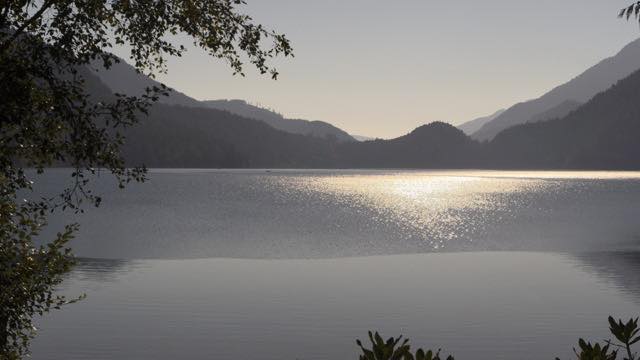
Temperate rainforest, mountains and coast in one park. Fog is common here, so whether it is clear is something you find out by looking.
-
 Sample August 2026
Mount Rainier National Park
Washington · Volcano · Nature
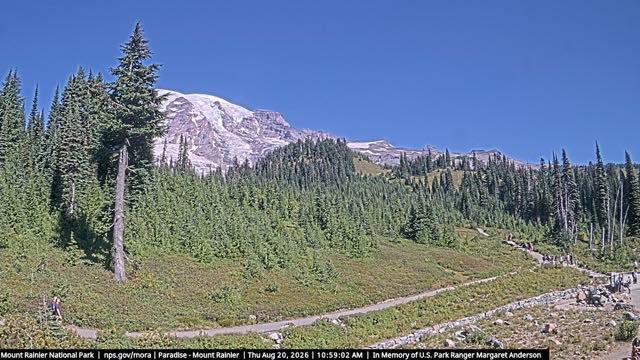
An enormous glaciated stratovolcano above forest and meadows. The days when the summit clears the cloud are limited.
-
 Sample August 2026
Crater Lake National Park
Oregon · Nature · Volcano
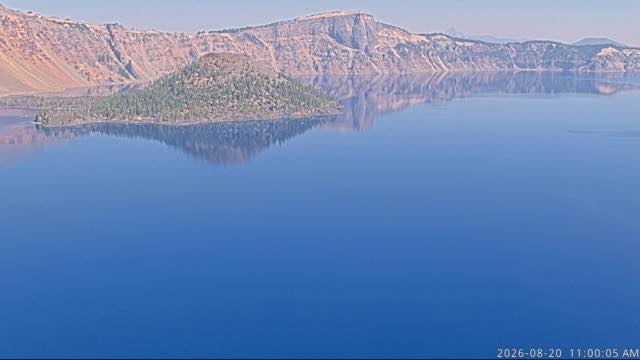
A caldera left by a collapsed volcano, filled with water. Famous for a blue that looks bottomless, and for some of the heaviest snowfall in the country.
-
 Sample August 2026
Yosemite National Park
California · Nature · World Heritage
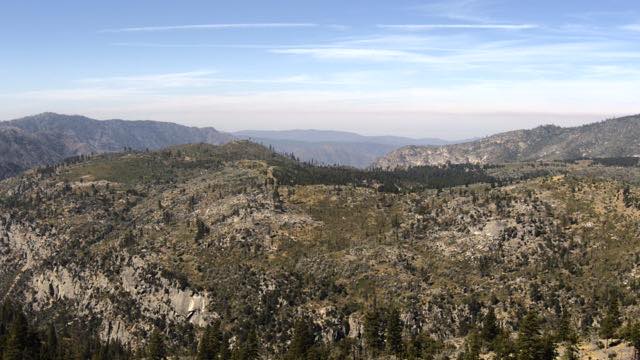
A huge granite valley carved by ice. As the sun moves, hard shadows travel across the faces of Half Dome and El Capitan.
-
 Sample August 2026
Joshua Tree National Park
California · Nature
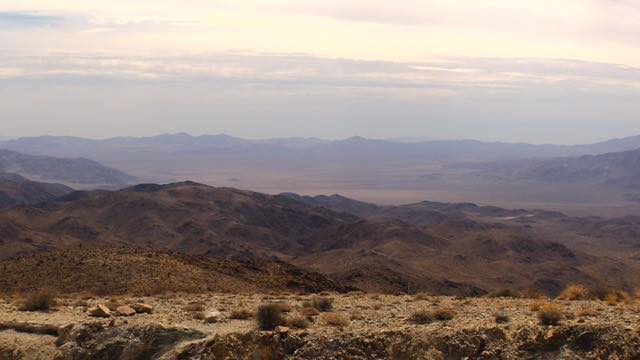
Dry country where two different deserts meet. Strange trees and rounded boulders, and a wide swing between day and night temperatures.
-
 Sample August 2026
Denali National Park
Alaska · Nature
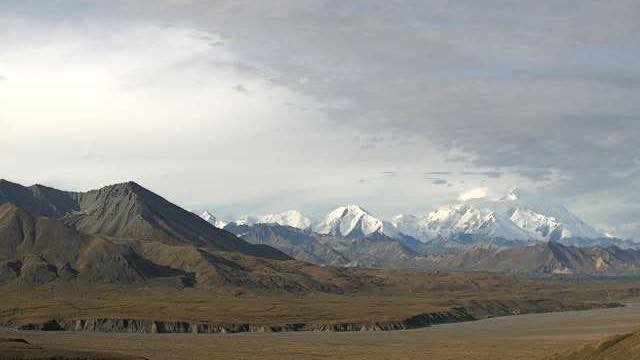
Vast tundra below the highest peak in North America. Long days in summer, dim ones in winter — and the mountain clears the cloud on few of them.
-
Live video
Ulsanbawi, Seoraksan
Sokcho, Gangwon · Nature
From near Gwongeumseong, looking straight at the six huge rock summits of Ulsanbawi standing like a wall. Granite worn by wind and rain; when mist rolls in, only the peaks show.
-
Live video
Duroryeong, Odaesan
Pyeongchang, Gangwon · Nature
A ridge pass surrounded by deep conifer forest. Far from any houses, so once the sun goes down there is almost nothing to see.
-
Live video
Cheonjedan, Taebaeksan
Taebaek, Gangwon · Nature · World Heritage
A stone altar built near the summit. It sits on an open ridge, so it is windy, and the difference between a clear day and a white-out is stark.
-
Live video
Sangwonsa, Chiaksan
Wonju, Gangwon · Nature · World Heritage
A temple high on the mountain, with the ridgelines opening out beyond it. Cloud often drops to the temple's own height, leaving the halls floating in mist.
-
Live video
Sapaesan, Bukhansan
Uijeongbu, Gyeonggi · Nature
A rock peak in the Dobong sector on the north side of Bukhansan National Park. The metropolitan sprawl comes right up to the foot of the mountain.
-
Live video
Baegundae, Bukhansan
Gangbuk, Seoul · Nature
The 836 m rock summit of the national park immediately north of Seoul, and its highest point. The camera looks up at it from Suyu-dong in the city, so the city's sky and the mountain's weather share one frame.
-
Live video
Hagampo, Taeanhaean
Taean, South Chungcheong · Sea
Sand and rock on the Yellow Sea. The tidal range is large, and at low tide the beach runs a long way out.
-
Live video
Yeonhwabong, Sobaeksan
Danyang, North Chungcheong · Nature
Looking at Yeonhwabong from the second Yeonhwabong. Trees are low on this 1,300-metre ridge, and winter wind coats them in rime.
-
Live video
Jukmak trail, Byeonsanbando
Buan, North Jeolla · Sea · Nature
A coastal path on a peninsula reaching into the Yellow Sea. Unlike Japan's Pacific coast, the sun sets over the water here, so clear evenings show it well.
-
Live video
Seolcheonbong, Deogyusan
Muju, North Jeolla · Nature
On top of a peak of about 1,500 metres. Snow and frozen trees turn it entirely white in winter, and a gondola reaches it, making this a defining Korean snow view.
-
Live video
Juwangsan
Cheongsong, North Gyeongsang · Nature
Sheer rock walls and deep ravines. Known for its strange rock spires, and in autumn the colour works its way up from the valley floors.
-
Live video
Jangbuljae, Mudeungsan
Gwangju · Nature
A pass at about 900 metres above the city of Gwangju. Grassland in summer, silver grass in autumn, rime ice in winter.
-
Live video
Jiri and Cheongseon shore, Dadohaehaesang
South Jeolla · Sea
A beach among the many islands of the Dadohae. The tide changes how much sand there is, and how clearly the distant islands show tells you how clear the air is.
-
Live video
Gaksan, Hallyeohaesang
Sacheon, South Gyeongsang · Sea · Nature
A hilltop camera over the Hallyeo waterway. The broken coastline, the islands and the boats moving between them all fit in one frame.
When to watch
Korea keeps the same clock as Japan, so morning there is morning here and no conversion is needed. Taeanhaean and Byeonsanbando face the Yellow Sea, which means the sun goes down over the water.
America is awake while Japan sleeps. The clocks run 13–14 hours behind Japan on the east coast, 15–16 in the mountain states, 16–17 on the Pacific coast and 17–18 in Alaska (an hour either way depending on daylight saving; Arizona does not observe it). Roughly: 10pm in Japan is morning at Acadia, midnight is morning at Rocky Mountain and Glacier, 1am is morning at Yosemite, and 5am is midday at Denali. The order of this page is that same sequence.
By season, Denali and Rocky Mountain lose the daylight in winter and stay dim even at noon. Korean ridgelines take their rime ice in winter, and Juwangsan turns colour from the valley floor upward. The Grand Canyon walls redden around sunrise and sunset — which from Japan means late afternoon and late morning respectively.
None of the 28 show much once it is dark. The American cameras return a black still; the Korean ones keep streaming a dark picture.
If it isn't showing
The Korean cards are blank because of permissions, not failure. The park service's copyright notice says freely reusable works carry a mark saying so, and the live pages carry none. What isn't clear doesn't get copied, so this site links instead. Tap the card and the video plays on the park service's own page.
The American cameras are U.S. Government works and can be sampled, but they are in daylight while Japan is asleep, so Old Faithful's sample image was taken in the middle of a Japanese night.
Japan's own national-park cameras are on Akan-Mashu and Oze, and the American volcano cameras are on the volcanoes of Hawaii Island.
Where to find US and Korean National Parks
Agencies publishing the cameras on this page
- Korea National Park Service (Public work, free use) — Official site
- U.S. National Park Service (U.S. government work) — Official site
The footage belongs to each agency. This site is an unofficial guide, and each sample frame was copied once per camera under that agency's terms of use.