Animals
Wintering Swans: 6 Live Cameras in Japan
Six wetlands where swans, geese and ducks from Siberia spend the winter, from Hokkaido to Tottori. Environment Ministry stills, hourly. Out of season you will see nothing; in season the water fills with birds.
What you can see
These six places are where Bewick's and whooper swans, white-fronted geese and ducks spend the winter. All of them breed in Siberia in summer and come down to Japan when it turns cold. Which means this page only works if you open it in the right season. In summer you get a quiet stretch of water.
The six are spread a long way north to south. From the top: Lake Kuccharo (Hokkaido, a brackish lake near the Sea of Okhotsk), Kominato beach (Aomori, a shallow shore of Mutsu Bay), Izunuma (Miyagi, a shallow marsh), the northern shore of Lake Biwa (Shiga), Lake Mikata (Fukui, one of the Mikata Five Lakes) and Yonago Waterbird Sanctuary (Tottori, reclaimed wetland on Nakaumi). More than half are Ramsar sites — wetlands recognised internationally as important enough to protect.
The migration works down the country, so opening all six from north to south on one day tells you how far the birds have got. There is a stretch in autumn when Kuccharo has flocks on it and Yonago is still empty.
Lake Kuccharo is the odd one out. It is less a wintering ground than a staging post: numbers swing in spring and autumn and fall in midwinter, and the lake itself can freeze.
Izunuma is a roost for white-fronted geese, known for the whole flock lifting off at first light.
Cameras you can watch now: 6
All 6 are still images. Tap one to open it in the camera list.
-
 Sample August 2026
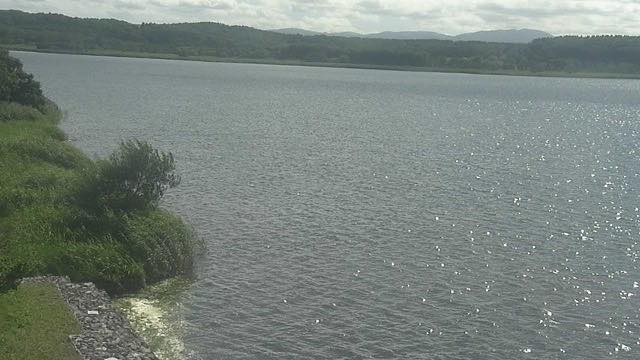
Whooper swans, Lake Kuccharo
Hamatonbetsu, Hokkaido · Nature · Wildlife
A brackish lake near the Sea of Okhotsk. During spring and autumn migration the flocks cover the surface.
-
 Sample August 2026
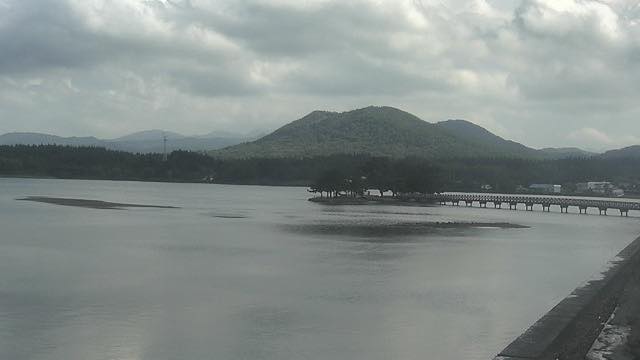
Swans at Kominato beach
Hiranai, Aomori · Wildlife · Sea
A shallow shore on Mutsu Bay, long known as a swan arrival site. The numbers build as winter comes on.
-
 Sample August 2026
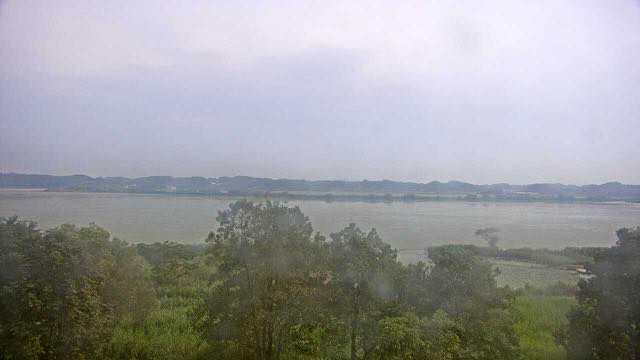
Geese and ducks at Izunuma
Kurihara, Miyagi · Wildlife · Nature
A shallow Ramsar-listed marsh. Greater white-fronted geese and ducks gather in winter, and it is known for the mass dawn departure.
-
 Sample August 2026
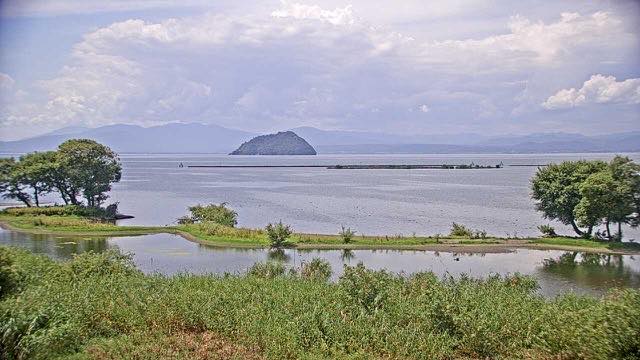
Waterbirds on Lake Biwa
Nagahama, Shiga · Wildlife · Nature
The north shore of Japan's largest lake. In winter it becomes a wintering ground for Bewick's swans and ducks; how crowded the water is tells you the season.
-
 Sample August 2026
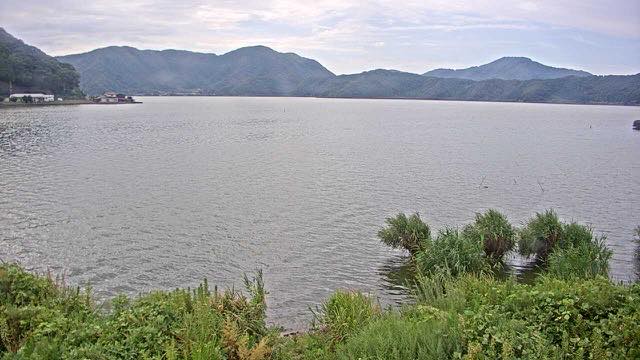
Waterbirds on Lake Mikata
Wakasa, Fukui · Wildlife · Nature
One of the Mikata Five Lakes, where fresh and brackish water sit side by side. Waterbirds gather in winter.
-
 Sample August 2026
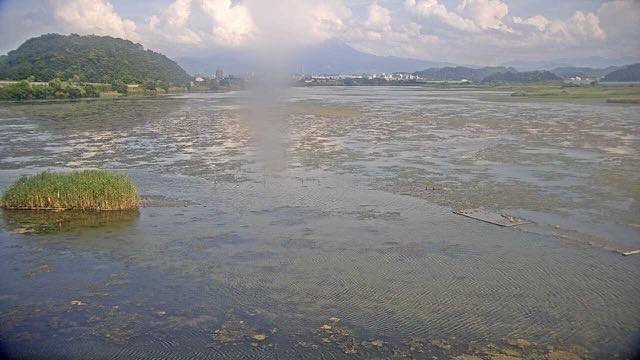
Bewick's swans, Yonago Waterbird Sanctuary
Yonago, Tottori · Wildlife
Reclaimed wetland facing Nakaumi lagoon. Swans arrive for the winter, and morning and evening are when the flocks move.
When to watch
November to February is the season. Numbers build from late October and the birds head north again in March. Outside that, only water.
Try morning and evening. The birds spend the day out in surrounding rice fields feeding, so the water is busiest before they leave at dawn and when they come back in the evening. Opening at midday and seeing nothing does not mean you have the season wrong.
But these refresh only once an hour. Reloading often shows the same frame, and catching the moment a flock lifts off is largely down to luck. Treat them as a way to check whether the birds are there.
Each camera covers one point on a wide sheet of water, so open it expecting to hunt for the birds in the frame. They are small, and at a glance an occupied water surface can look like an empty one.
Spring at Lake Kuccharo is the exception: flocks stop over on the way north through March and April, so it fills up again after the others have emptied.
If it isn't showing
All six are stills and all refresh once an hour. That is nowhere near fast enough to follow a bird. You will not catch a take-off. Nothing shows at night, and a distant flock does not separate into individuals. Read them for how much of the water is covered rather than for how many birds are on it.
The six are one apiece in six prefectures: Hokkaido, Aomori, Miyagi, Shiga, Fukui and Tottori, spread from the far north to the west, so this is the only page that puts all six side by side.
Out of season you get plain open water. Present or absent, switched by the season, is what these six are like. Other cameras that make you wait are on The cranes of the Izumi plain, The cranes of Kushiro Marsh and Subjects That Keep You Waiting.
Where to find Wintering Swans
Agencies publishing the cameras on this page
- Ministry of the Environment — Internet Nature Institute (PDL 1.0) — Official site
The footage belongs to each agency. This site is an unofficial guide, and each sample frame was copied once per camera under that agency's terms of use.