Volcano
JMA Volcano Watch Cameras: 49 Live Cameras in Japan
The Japan Meteorological Agency points 49 cameras at the volcanoes it keeps under watch, across 21 prefectures. Every one refreshes every two minutes.
What you can see
These 49 cameras were not put up to show you scenery. The Japan Meteorological Agency (JMA) keeps a standing watch on the country's active volcanoes, and these are the cameras it aims at their summits and craters. Most sit several kilometres out at the foot of the mountain and pull the peak in with a long lens, which means that on a bad day the mountain disappears from the frame altogether.
There are 49 of them, over 21 prefectures. Hokkaido has nine, more than anywhere else, and Tokyo has six — none of them near the city. Tokyo's six are all island volcanoes: Izu Oshima, Niijima, Kozushima, Miyakejima, Hachijojima and Aogashima. Kagoshima's five run south from Sakurajima through Satsuma Iojima, Kuchinoerabujima, Nakanoshima and Suwanosejima.
What is in the frame varies a great deal by mountain. On the cameras where the plume shows — Mount Aso, Sakurajima, Suwanosejima — a white streak stands over the crater and leans with the wind. On the cameras pointed at water in a crater — the Okama at Mount Zao, Mount Kusatsu-Shirane — one patch of the slope is a different colour from everything around it. The rest show no steam and no lake, just the shape of a mountain. Nothing happening is the normal state, and a watch camera that shows nothing is doing its job.
Every frame has the date and time burned into it. The digits in the corner tell you how old the picture in front of you is.
Cameras you can watch now: 49
All 49 are still images. Tap one to open it in the camera list.
-
 Sample August 2026
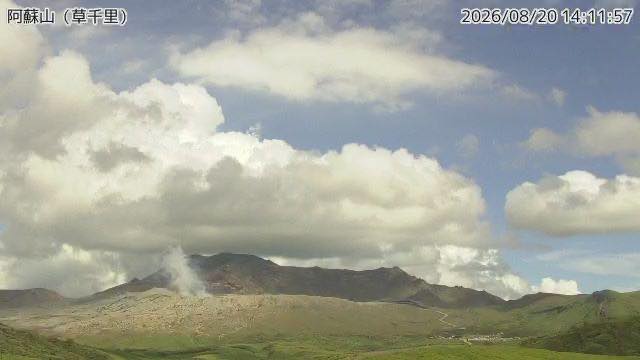
Kusasenri, Mount Aso
Aso, Kumamoto · Volcano · Nature
Grassland in front of the Nakadake crater, sometimes with grazing horses. An unusual frame that holds both a volcanic plume and a meadow.
-
 Sample August 2026
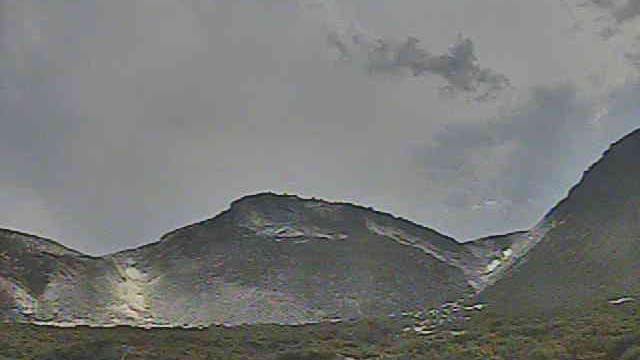
Atosanupuri (Mount Io)
Teshikaga, Hokkaido · Volcano · Nature
Steam rises from all over this hillside, which is why it is locally called the sulphur mountain. The camera faces the vent field just behind the car park.
-
 Sample August 2026
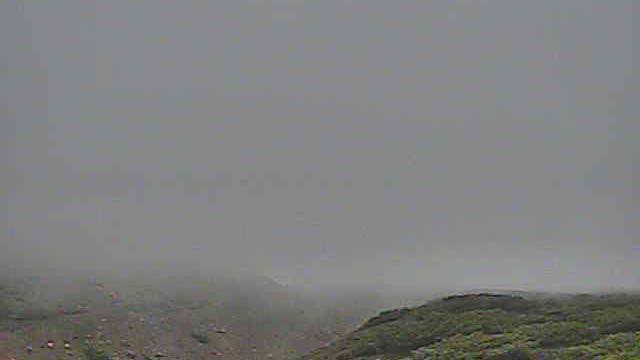
Mount Meakan
Ashoro, Hokkaido · Volcano
The one mountain in the Akan group still venting steam from its crater. The view is from the side of the cone-shaped Akan-Fuji next to it.
-
 Sample August 2026
Mount Asahi, Daisetsuzan
Higashikawa, Hokkaido · Volcano · Nature
The highest peak in Hokkaido. White steam rises constantly from Jigokudani midway up, seen looking up from the Sugatami area at the top of the ropeway.
-
 Sample August 2026
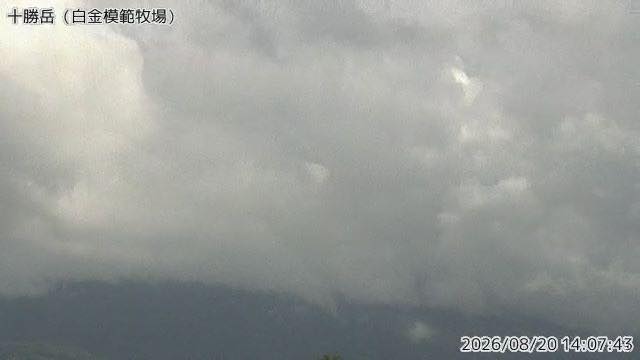
Mount Tokachi
Biei, Hokkaido · Volcano · Nature
The 1926 eruption melted the snow all at once into a mudflow that did great damage below. The summit is seen over the gentle pastureland on the Biei side.
-
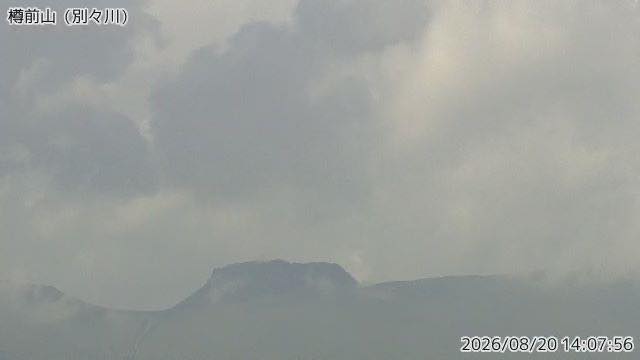 Sample August 2026
Mount Tarumae
Tomakomai, Hokkaido · Volcano
A lava dome sits on the summit, giving it a shape you recognise from a distance. It stands south of Lake Shikotsu and is clearly visible from Tomakomai.
-
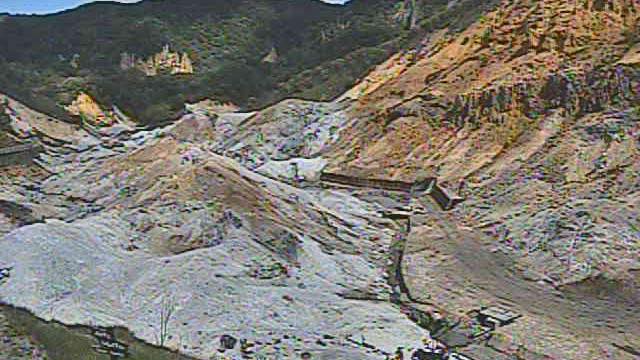 Sample August 2026
Kuttara, Noboribetsu Jigokudani
Noboribetsu, Hokkaido · Volcano · Nature
The valley the Noboribetsu hot springs come from. Steam fills an old explosion crater, crossed by a boardwalk. The colder it gets, the thicker the white.
-
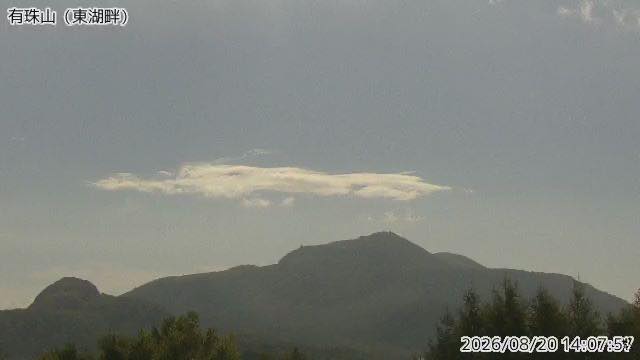 Sample August 2026
Mount Usu
Toyako, Hokkaido · Volcano · Nature
It has erupted four times since 1910, each time raising new hills and craters. The camera looks across Lake Toya from the eastern shore.
-
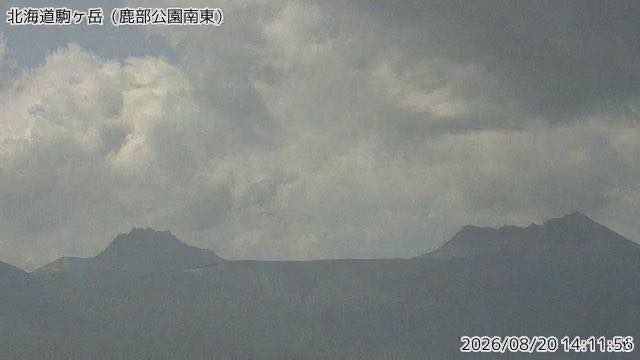 Sample August 2026
Hokkaido Komagatake
Shikabe, Hokkaido · Volcano
The 1640 eruption collapsed the summit into the pointed outline it has now. Seen head-on from Shikabe on Uchiura Bay, bare rock at the top.
-
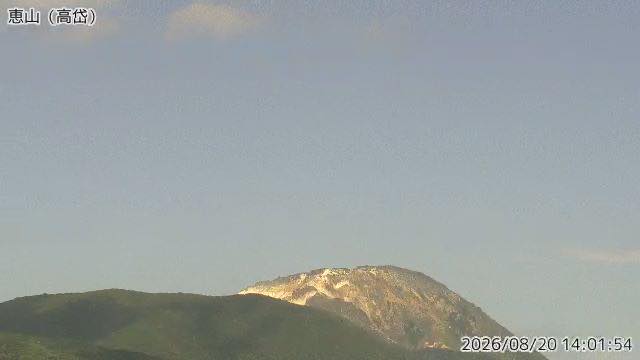 Sample August 2026
Mount Esan
Hakodate, Hokkaido · Volcano · Sea
At the eastern tip of the Oshima Peninsula, jutting into the Tsugaru Strait. The vent field on its flank is still active, and azaleas redden the slope in early summer.
-
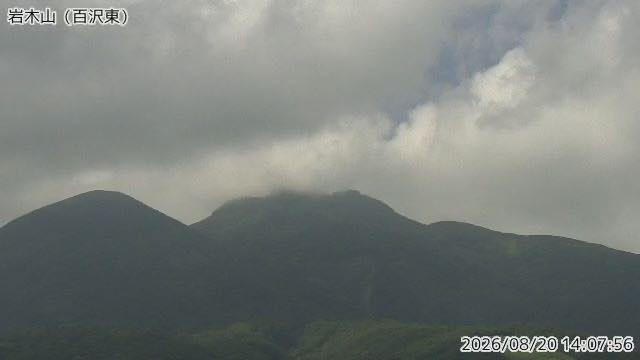 Sample August 2026
Mount Iwaki
Hirosaki, Aomori · Volcano · Nature
A free-standing peak visible from anywhere on the Tsugaru plain. Its long, spreading flanks above the apple orchards are a familiar sight.
-
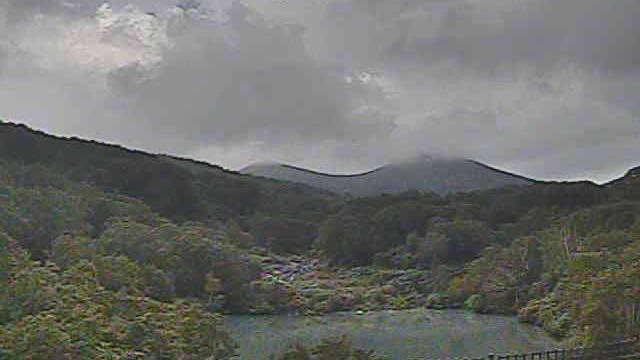 Sample August 2026
Jigokunuma, Hakkoda
Aomori · Volcano · Nature
A pond beside Sukayu hot spring, clouded by steam and hot water. Sulphur hangs in the air, and in winter snow and steam mix together.
-
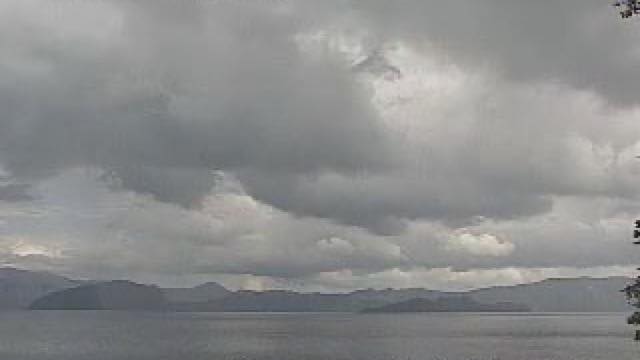 Sample August 2026
Towada
Aomori / Akita border · Volcano · Nature
Lake Towada is itself the scar of an enormous crater. It produced one of the largest eruptions in Japanese history in the Heian period; today it is simply a quiet lake.
-
 Sample August 2026
Akita Yakeyama
Akita · Volcano
The mountain behind the strong hot springs at Tamagawa and Goshogake. Hot pools and vents are scattered over the summit, with steam coming straight out of the ground.
-
 Sample August 2026
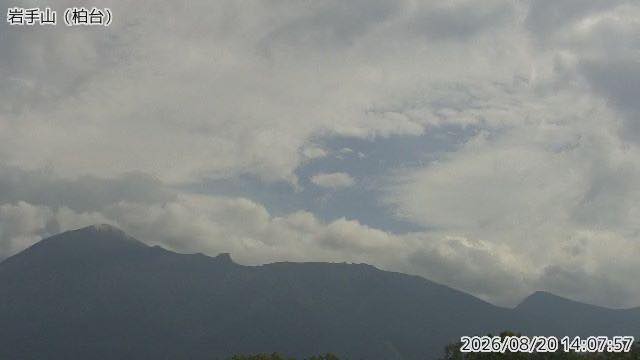
Mount Iwate
Iwate · Volcano · Nature
Rising northwest of Morioka, also called Nambu-Fuji. A clean cone from the west, a ragged ridge from the east — the outline is entirely different.
-
 Sample August 2026
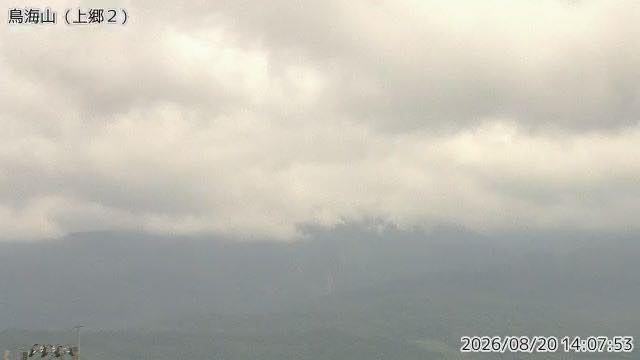
Mount Chokai
Yamagata / Akita border · Volcano · Nature
A mountain that rises almost straight from the Sea of Japan, also called Dewa-Fuji. Snow lasts late, leaving white streaks on the slopes into summer.
-
 Sample August 2026
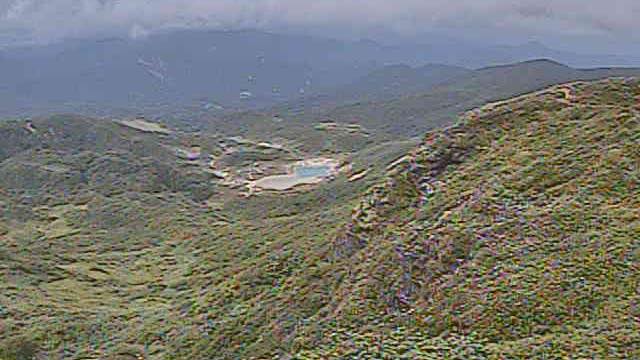
Mount Kurikoma
Iwate / Miyagi / Akita border · Volcano · Nature
A mountain shared by three prefectures. Autumn colour from late September into October is intense, and you can watch it move down the slope.
-
 Sample August 2026
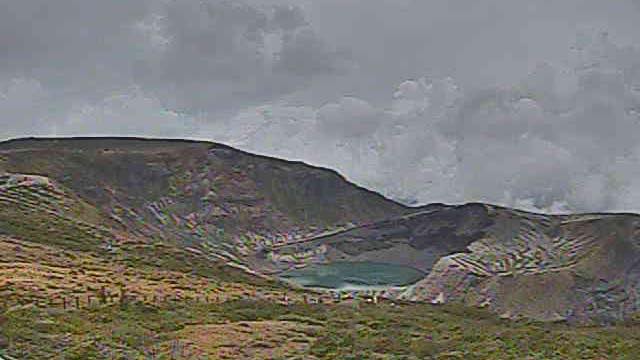
Okama, Mount Zao
Miyagi / Yamagata border · Volcano · Nature
Known for Okama, the lake filling its crater. The camera is on the Katta side, and the weather turns fast, so clear views are limited.
-
 Sample August 2026
Mount Azuma
Fukushima / Yamagata border · Volcano
Crossed by the Bandai-Azuma Skyline. Oana crater near Jododaira still vents steam, and its activity rises and falls in cycles.
-
 Sample August 2026
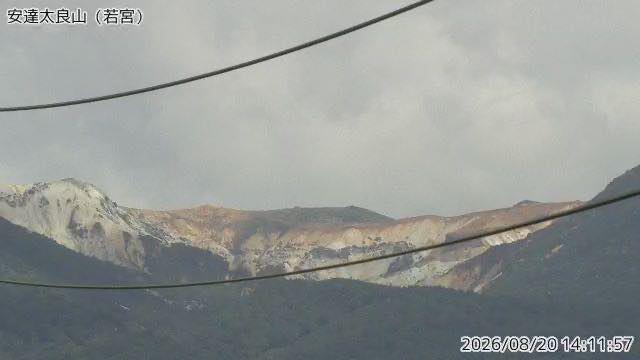
Mount Adatara
Fukushima · Volcano · Nature
Known from a poem by Kotaro Takamura. Numanotaira, west of the summit, is a bare crater floor — a completely different colour from the green around it.
-
 Sample August 2026
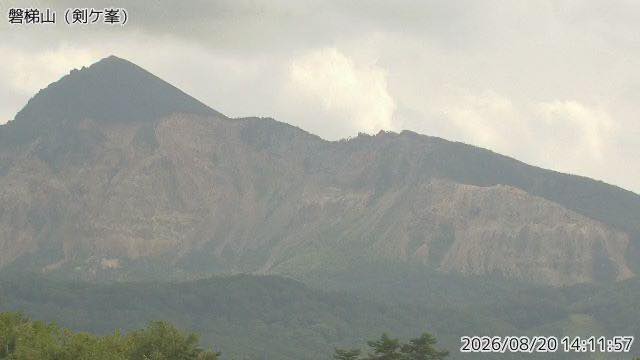
Mount Bandai
Fukushima · Volcano · Nature
The 1888 eruption collapsed the north side, and the debris dammed the valleys into the Urabandai lakes. Front and back look like two different mountains.
-
 Sample August 2026
Mount Nasu
Tochigi / Fukushima border · Volcano
Steam rises continuously near the summit of Chausudake. A ropeway makes it easy to reach, though it is also known for its wind.
-
 Sample August 2026
Mount Nikko-Shirane
Tochigi / Gunma border · Volcano · Nature
The highest mountain in the Kanto region. The camera sits on the shore of Lake Chuzenji and looks west at the range beyond the water.
-
 Sample August 2026
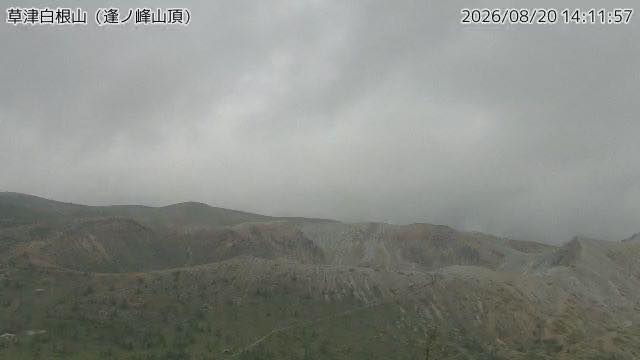
Mount Kusatsu-Shirane
Gunma · Volcano
Holds Yugama, a strongly acidic crater lake. A sudden eruption on the Motoshirane side in 2018 led to closer monitoring.
-
 Sample August 2026
Mount Asama
Gunma / Nagano border · Volcano
One of the most frequently erupting volcanoes in Japan. Around the camera at Onioshi, lava from the 1783 eruption is still lying where it stopped.
-
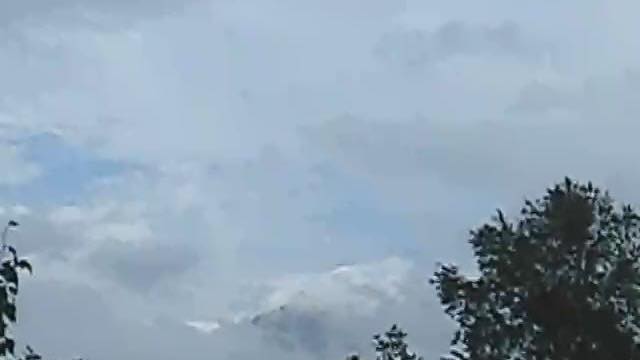 Sample August 2026
Niigata Yakeyama
Niigata · Volcano
A relatively young lava dome north of the Myoko group. Steam rises from the top, and it looks paler than the mountains around it.
-
 Sample August 2026
Midagahara
Toyama · Volcano · Nature
A plateau west of Tateyama. The area called Jigokudani vents hydrogen sulphide, and access is still restricted.
-
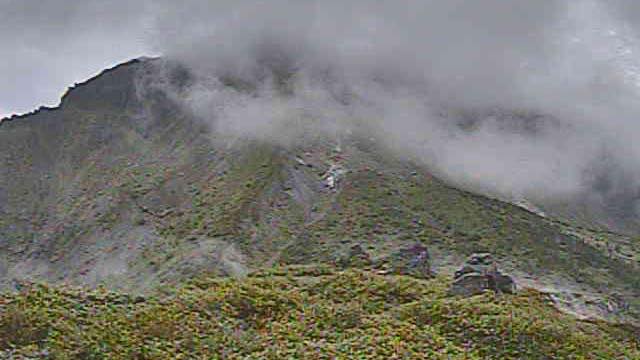 Sample August 2026
Mount Yake
Nagano / Gifu border · Volcano · Nature
Standing just south of Kamikochi. The 1915 eruption dammed the Azusa River and created Taisho Pond. Steam still rises near the summit.
-
 Sample August 2026
Mount Norikura
Nagano / Gifu border · Volcano · Nature
A bus takes you to nearly 2,700 metres. The camera looks at the summit ridge from the Norikura plateau side, where snow stays on the ridge for months.
-
 Sample August 2026
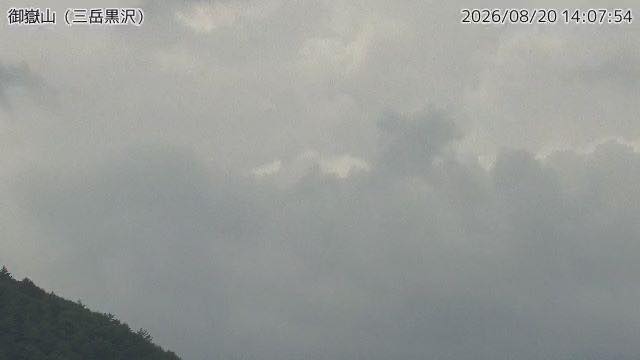
Mount Ontake
Nagano / Gifu border · Volcano
The 2014 eruption caused heavy casualties among climbers, and prompted a national review of how volcanoes are monitored.
-
 Sample August 2026
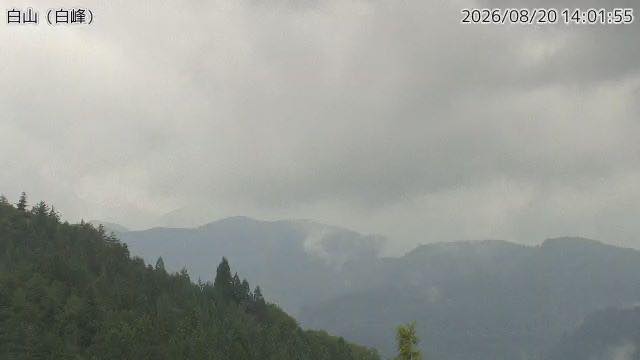
Mount Haku
Ishikawa / Gifu border · Volcano · Nature
With Fuji and Tateyama, one of the three mountains of old Japanese religious practice. Its eruption record ends in the Edo period and it has been quiet since.
-
 Sample August 2026
Mount Fuji (JMA camera)
Shizuoka / Yamanashi border · Volcano · Nature
This site also carries the ministry's erosion-control cameras on Fuji; this one was placed by the Meteorological Agency to watch the volcano. Different purpose, different aim.
-
 Sample August 2026
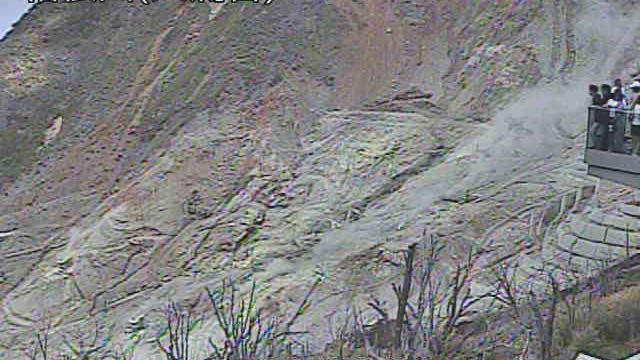
Owakudani, Hakone
Hakone, Kanagawa · Volcano · Nature
A valley venting steam without pause. Activity rose in 2015 and the area was closed; part of it has since reopened.
-
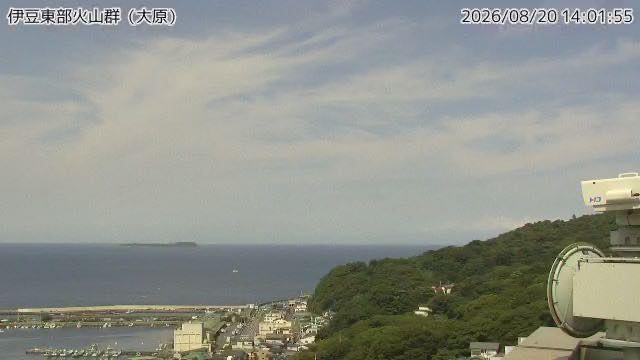 Sample August 2026
Izu East volcano group
Ito, Shizuoka · Volcano · Sea
A cluster of monogenetic volcanoes with small craters scattered on land and under the sea. A 1989 submarine eruption off Ito built the Teishi Knoll.
-
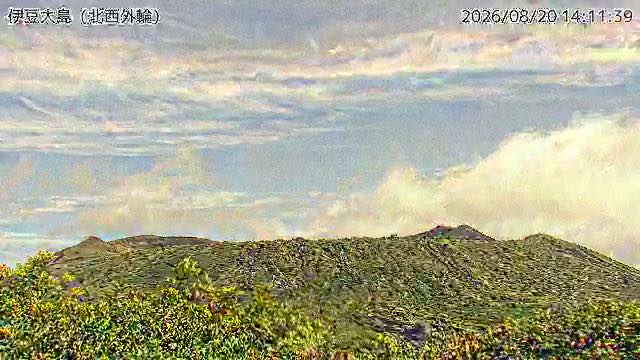 Sample August 2026
Izu Oshima
Oshima, Tokyo · Volcano · Sea
The 1986 eruption evacuated every resident off the island. The camera looks at the Mount Mihara caldera from the northwest rim.
-
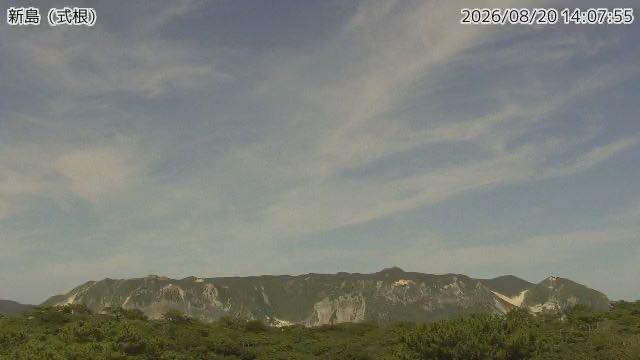 Sample August 2026
Niijima
Niijima, Tokyo · Volcano · Sea
An island of white rhyolite, long quarried for building stone. The camera faces neighbouring Shikinejima.
-
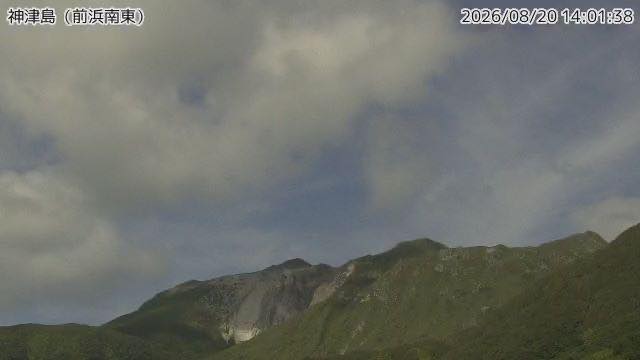 Sample August 2026
Kozushima
Kozushima, Tokyo · Volcano · Sea
An island where the record shows Mount Tenjo was formed in an eruption in 838. The view from Maehama beach takes in the pale rock face and the harbour.
-
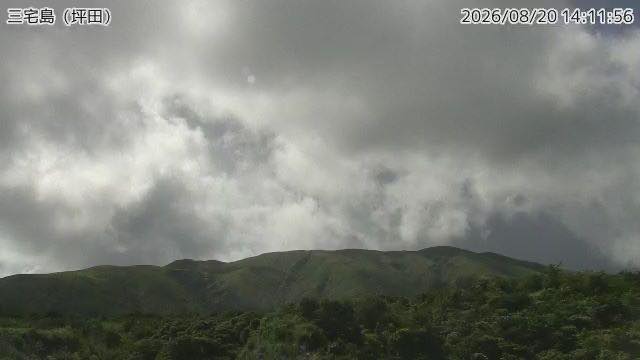 Sample August 2026
Miyakejima
Miyake, Tokyo · Volcano · Sea
Volcanic gas kept coming after the 2000 eruption, and islanders lived off the island for more than four years. The camera is on the southeast side.
-
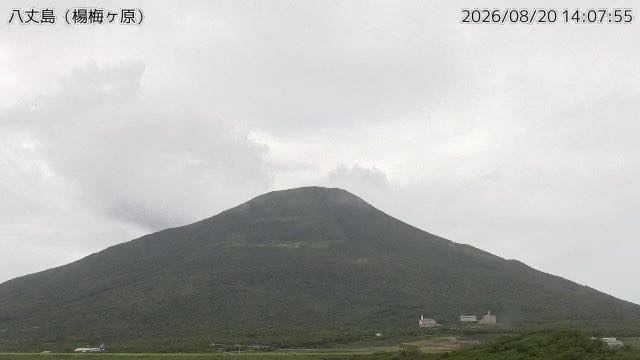 Sample August 2026
Hachijojima
Hachijo, Tokyo · Volcano · Sea
An island made where two volcanoes, Hachijo-Fuji and Mount Mihara, joined. From the high ground the camera sits on, slope and sea run on together.
-
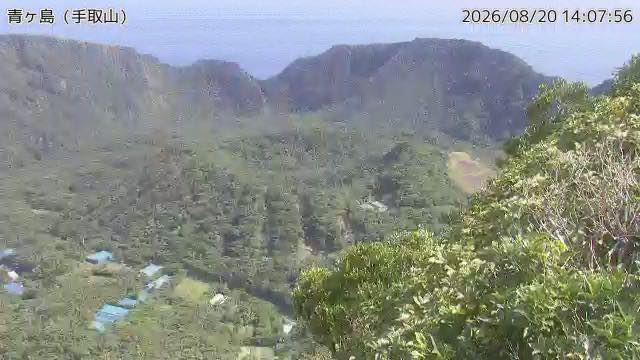 Sample August 2026
Aogashima
Aogashima, Tokyo · Volcano · Sea
A double caldera with another hill rising inside the first. It has the smallest population of any inhabited island in Japan.
-
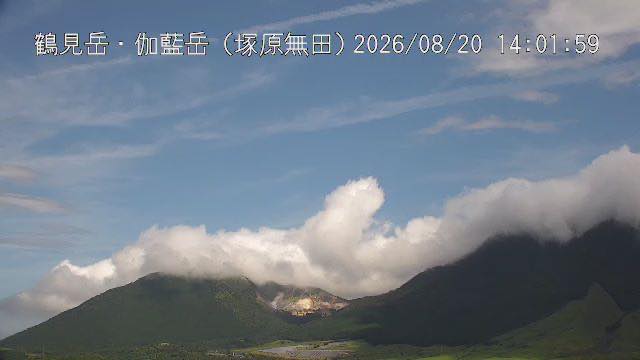 Sample August 2026
Mount Tsurumi and Mount Garan
Oita · Volcano
The mountains that feed the Beppu hot springs. Tsukahara spa lies partway up Garan, where an old crater still gives off steam and strongly acidic water.
-
 Sample August 2026
Mount Kuju
Oita · Volcano · Nature
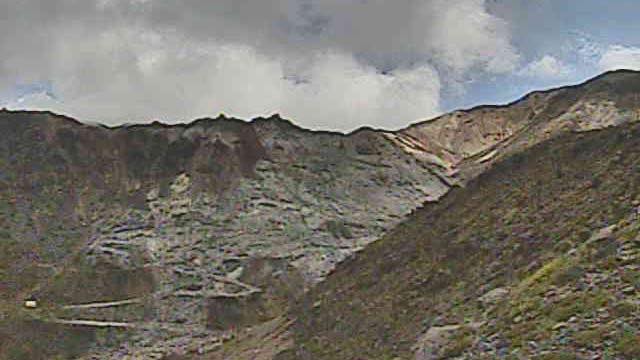
A cluster of peaks. The northern slope of Mount Hossho holds the Iozan vent field, where white steam creeps down the hillside.
-
 Sample August 2026
Mount Unzen
Shimabara, Nagasaki · Volcano
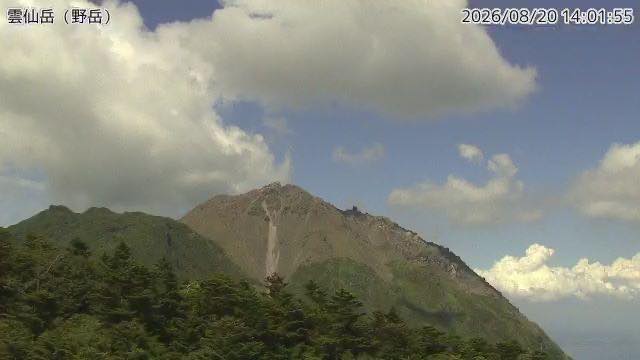
The eruption that began in 1991 built the peak now called Heisei Shinzan. The paths the pyroclastic flows took are still visible; the camera looks from Nodake.
-
 Sample August 2026
Shinmoedake, Kirishima
Miyazaki / Kagoshima border · Volcano
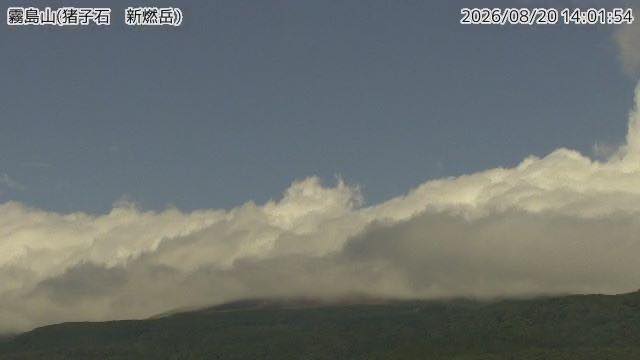
The crater that erupted in 2011 and 2018. The camera at Inokoishi stays fixed on Shinmoedake.
-
 Sample August 2026
Sakurajima (JMA camera)
Kagoshima · Volcano
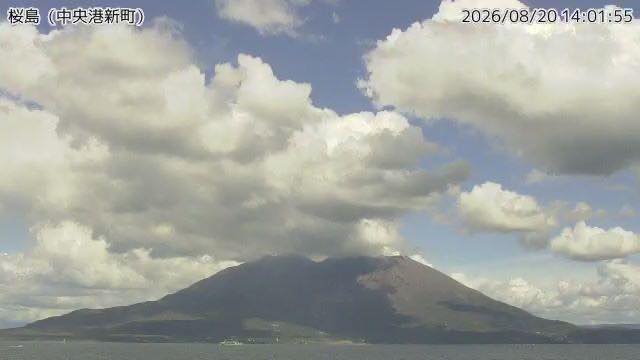
Across the water from central Kagoshima, one of the most frequently erupting volcanoes in Japan. A different angle on it than the ministry's cameras.
-
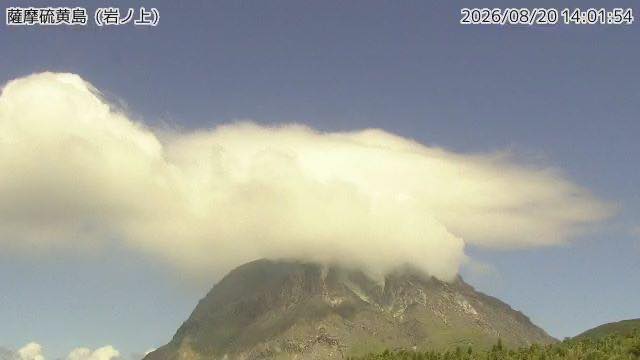 Sample August 2026
Satsuma Iwojima
Kagoshima · Volcano · Sea
An island where Mount Io gives off a white plume without stopping. Known for the iron leaching out and staining the sea around it red-brown.
-
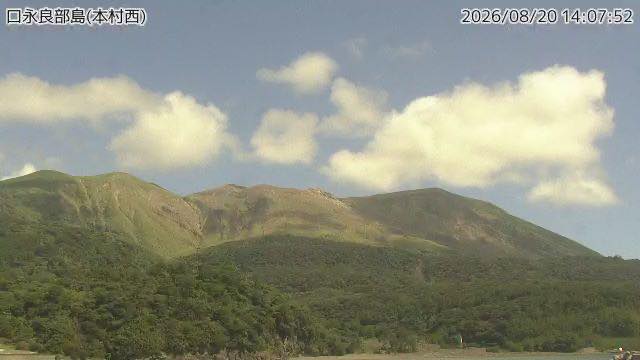 Sample August 2026
Kuchinoerabujima
Kagoshima · Volcano · Sea
The whole island was evacuated after the 2015 eruption. Steam rises from the Shindake crater, visible even from Yakushima.
-
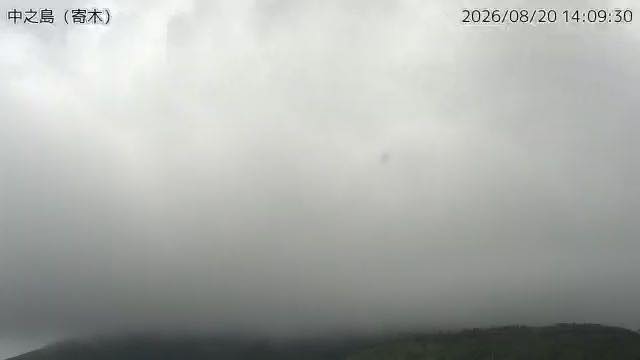 Sample August 2026
Nakanoshima
Kagoshima · Volcano · Sea
The largest island in the Tokara chain. The cone of Mount Otake takes up its northern half, with steam coming from near the summit.
-
 Sample August 2026
Suwanosejima
Kagoshima · Volcano · Sea
An island that erupts repeatedly, throwing ash from the crater on many days. The settlement is well away from it.
When to watch
They refresh every two minutes — far shorter than the hour that most scenery cameras take. What you open is within a couple of minutes of now. They are stills, so nothing moves, but wait a little and reload and the picture has changed.
Daylight only. These are visible-light cameras, so the frame goes close to black after sunset. For plumes, try morning or late afternoon: with the light coming in from the side, white smoke lifts away from the sky and the slope behind it.
High peaks start growing cloud before noon. The summit stays visible far longer early in the day, so open these early if you want a clean outline.
In winter, snow lying on the slope makes gullies and crater rims easier to read. Where the snow refuses to settle, the ground underneath is warm.
If it isn't showing
This page is a wall of pictures and nothing more. Eruption warning levels, access restrictions and evacuation information are not written here. Before you go anywhere near one of these mountains, read what the JMA itself publishes; the provider link on each card goes to the agency's own page.
Several of these mountains have other cameras on this site, looking from other directions. Sakurajima, Mount Aso, Okama, Mount Zao and Mount Fuji set the agency's camera beside other operators'.
By area: The Volcanoes of Tohoku, The Izu Islands, The Satsunan Volcanic Islands. For the steam and the hot ground themselves, Geothermal Areas; for water standing in a crater, Volcanic lakes. Every volcano camera on the site, in Japan and abroad, is in Volcanoes, and reading a volcano camera is written up on its own.
Where to find JMA Volcano Watch Cameras
- Kumamoto7
- Hokkaido17
- Aomori4
- Akita2
- Iwate2
- Yamagata2
- Miyagi2
- Fukushima4
- Tochigi4
- Gunma7
- Niigata4
- Toyama4
- Nagano8
- Ishikawa6
- Shizuoka5
- Kanagawa2
- Tokyo19
- Oita5
- Nagasaki2
- Miyazaki5
- Kagoshima9
Agencies publishing the cameras on this page
- Japan Meteorological Agency — volcano surveillance cameras (PDL 1.0) — Official site
The footage belongs to each agency. This site is an unofficial guide, and each sample frame was copied once per camera under that agency's terms of use.