Wildlife
Subjects That Keep You Waiting: 3 Live Cameras
Three cameras where the subject may simply not be there: a Tsushima leopard cat, a bald eagle nest, and the deep sea floor. Waiting is the point.
What you can see
The Tsushima leopard cat survives in Japan only on Tsushima. This camera shows an animal kept at Fukuoka Zoo, not one in the wild. It is nocturnal, so it is often asleep during the day. A Ministry of the Environment still image, refreshed hourly.
The bald eagle nest sits in a sycamore on the grounds of a U.S. Fish and Wildlife Service facility. The nest used for 22 years came down in a gust in April 2025, and the pair rebuilt about fifteen feet lower in the same tree. Three cameras run around the clock. Chicks are there from winter into early summer; after they fledge, it is an empty nest and a tree.
The Okeanos Explorer streams what its remotely operated vehicle sees as it lights the sea floor. It only broadcasts while the ship is on an expedition, so for months at a time there is simply nothing. At that depth no sunlight reaches, so day and night make no difference here.
Cameras you can watch now: 3
2 video, 1 still. Tap one to open it in the camera list.
-
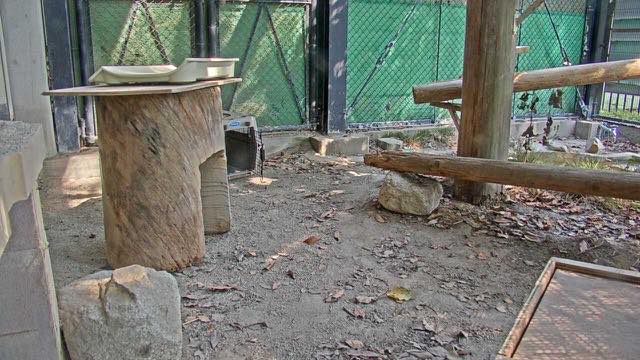 Sample August 2026
Tsushima leopard cat (Fukuoka Zoo)
Fukuoka · Wildlife
A wild cat that survives in Japan only on Tsushima. This camera watches a zoo animal, and it is often asleep during the day.
-
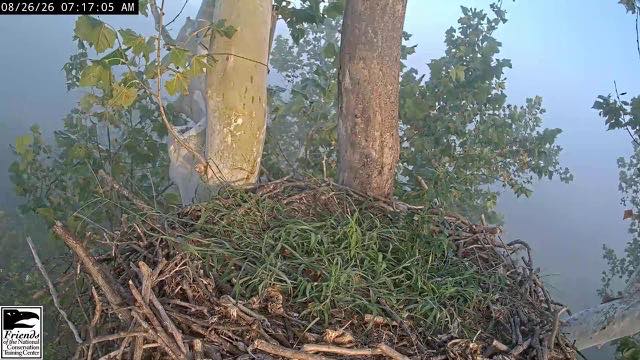 Sample August 2026
Bald eagle nest
West Virginia · Wildlife · Nature
A sycamore on the grounds of a Fish and Wildlife Service training centre. The nest used for 22 years came down in an April 2025 windstorm, and the pair rebuilt about fifteen feet lower in the same tree. Three cameras run continuously. Chicks are there from winter into early summer; after they fledge it is an empty nest and a tree.
-
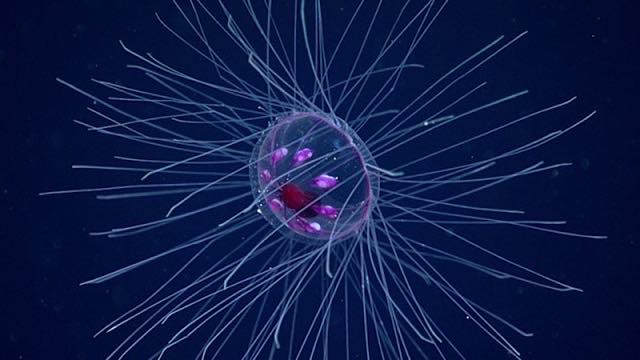 Sample August 2026
Deep-sea research vessel Okeanos Explorer
several hundred to several thousand metres deep · Sea · Wildlife
The raw feed from a remotely operated vehicle lighting its way along the seafloor. It runs only while the ship is on an expedition and goes dark for months between. At that depth no daylight reaches, so the sky artwork on the card does not apply here.
When to watch
The leopard cat may move at dawn and dusk. It spends more of the day asleep than not, so if it isn't there, treat it as worth another look in an hour.
The eagles are at their best from winter into early summer — a parent sitting, then chicks showing, then nothing at all once they fledge. West Virginia runs 13–14 hours behind Japan, so Japan's night is their day.
For the deep sea, everything depends on whether it is broadcasting. On an expedition, animals cross the lights of the vehicle; off one, nothing is playing.
If it isn't showing
What these three share is that coming up empty is the normal case. A scenery camera always has scenery in it; a wildlife camera does not. Open them a few times and count the days something is there as the win.
Others that reward the same patience: the red-crowned cranes of Kushiro, the cranes at Izumi and Bewick's swans — where getting the season right raises the odds considerably.
Where to find Subjects That Keep You Waiting
Agencies publishing the cameras on this page
- Ministry of the Environment — Internet Nature Institute (PDL 1.0) — Official site
- NOAA Office of Ocean Exploration (U.S. government work) — Official site
- U.S. Fish and Wildlife Service (U.S. government work) — Official site
The footage belongs to each agency. This site is an unofficial guide, and each sample frame was copied once per camera under that agency's terms of use.