Nature
Autumn Leaves: 16 Live Cameras in Japan
Japan's autumn colour starts on the high mountains of the north and takes two and a half months to reach the lowlands of the south. These 16 cameras are ordered by when the colour usually arrives, from Asahidake in mid-September to Arashiyama in late November.
What you can see
Autumn colour in Japan moves north to south and high to low. Asahidake in Hokkaido turns in mid-September; Arashiyama in Kyoto turns in late November. That is two and a half months of difference inside one country. The cameras on this page are not in map order — they are in the order the colour normally reaches them, so working down the list shows you roughly how far south and how far downhill the season has come.
One thing to know first: none of these 16 cameras was installed to watch the leaves. Ten belong to the Japan Meteorological Agency and point at active volcanoes. Five belong to the Ministry of the Environment and show national park scenery. One belongs to the Ministry of Land, Infrastructure, Transport and Tourism and watches a river. Some of them never frame a famous view head-on, so it is worth separating what each kind actually shows.
The cameras whose frame is mostly above the tree line — Asahidake, Midagahara, Zao's Okama crater lake, Kurikomayama — show ground cover rather than trees. Japanese calls this kusa-momiji, "grass autumn colour": too high for tall trees, so low shrubs such as rowan and the grasses themselves turn, and whole slopes shift from summer green to rust.
The cameras with water and mountain in one frame — Lake Towada, Ozenuma, Lake Yunoko, Lake Chuzenji, Renge-numa in Ura-Bandai — stack the view in three bands: water in front, a wooded slope behind it, a mountain above that. On a still morning the surface goes to glass and the colour appears twice.
The last camera, Togetsukyo Bridge in Arashiyama, is the only one showing a town rather than a mountain, and the only video stream of the 16. The picture on its card is the cover image of the stream page, not the camera's own view.
Cameras you can watch now: 16
1 video, 15 still. Tap one to open it in the camera list.
-
 Sample August 2026
Mount Asahi, Daisetsuzan
Higashikawa, Hokkaido · Volcano · Nature
The highest peak in Hokkaido. White steam rises constantly from Jigokudani midway up, seen looking up from the Sugatami area at the top of the ropeway.
-
 Sample August 2026
Midagahara
Toyama · Volcano · Nature
A plateau west of Tateyama. The area called Jigokudani vents hydrogen sulphide, and access is still restricted.
-
 Sample August 2026
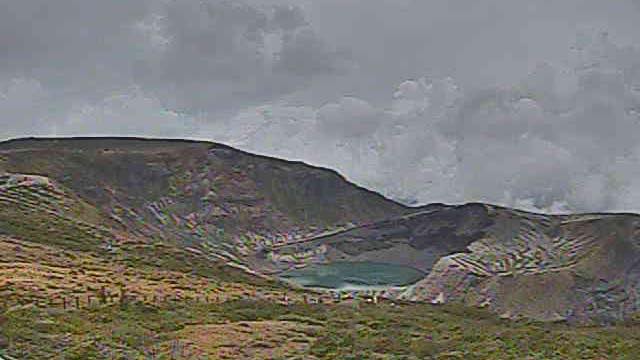
Okama, Mount Zao
Miyagi / Yamagata border · Volcano · Nature
Okama sits small in the middle of the frame, beyond the ridge in front. The view is from the Katta side, so when cloud drops the green water disappears. Updated every two minutes by the Japan Meteorological Agency.
-
 Sample August 2026
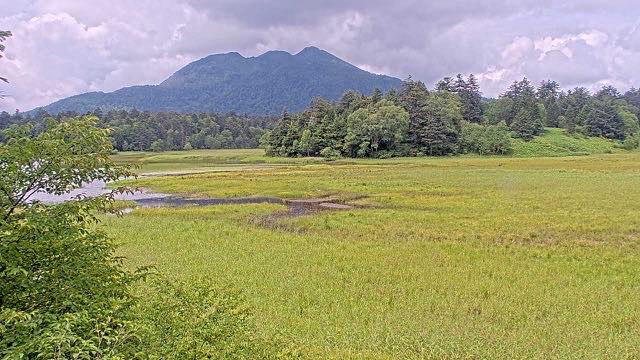
Lake Ozenuma
Gunma / Fukushima · Nature
A quiet lake surrounded by high moorland. With Mount Hiuchi behind it, the light on the water changes colour sharply at dawn and dusk.
-
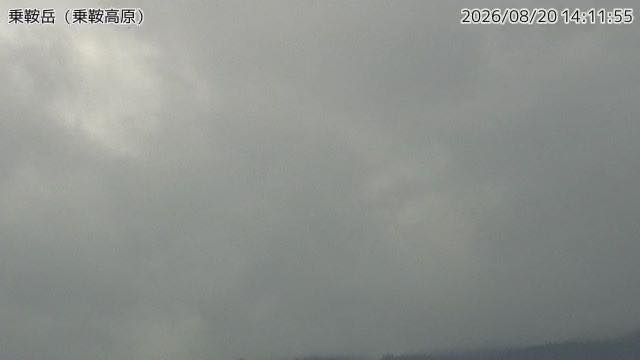 Sample August 2026
Mount Norikura
Nagano / Gifu border · Volcano · Nature
A bus takes you to nearly 2,700 metres. The camera looks at the summit ridge from the Norikura plateau side, where snow stays on the ridge for months.
-
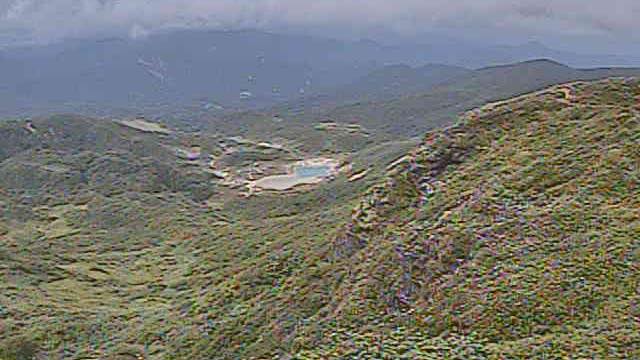 Sample August 2026
Mount Kurikoma
Iwate / Miyagi / Akita border · Volcano · Nature
A volcano on the border of Iwate, Miyagi and Akita, updated every two minutes by the Japan Meteorological Agency. A pale blue pond sits in a hollow among the green slopes. Autumn colour runs from late September into October, working down the slope from the top.
-
 Sample August 2026
Mount Azuma
Fukushima / Yamagata border · Volcano
Crossed by the Bandai-Azuma Skyline. Oana crater near Jododaira still vents steam, and its activity rises and falls in cycles.
-
 Sample August 2026
Mount Nasu
Tochigi / Fukushima border · Volcano
Steam rises continuously near the summit of Chausudake. A ropeway makes it easy to reach, though it is also known for its wind.
-
 Sample August 2026
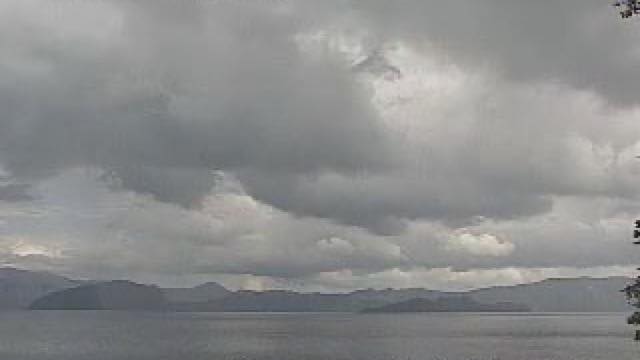
Towada
Aomori / Akita border · Volcano · Nature
Lake Towada is itself the scar of an enormous crater. It produced one of the largest eruptions in Japanese history in the Heian period; today it is simply a quiet lake.
-
 Sample August 2026
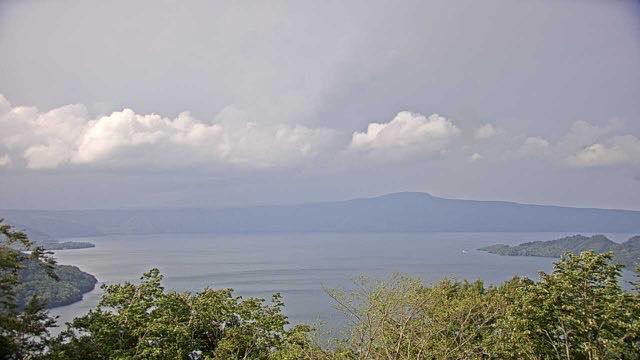
Lake Towada from Hakka Pass
Kosaka, Akita · Nature
The double caldera lake seen whole from the pass overlook. The water shifts from blue to lead grey with the angle of the light.
-
 Sample August 2026
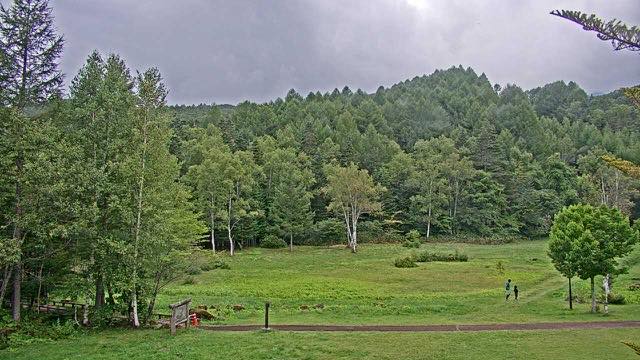
Mount Norikura from Norikura Plateau
Matsumoto, Nagano · Nature
A 3,000-metre ridgeline seen from the plateau below. Snow patches survive the summer, and on clear days you can pick out every notch in the ridge.
-
 Sample August 2026
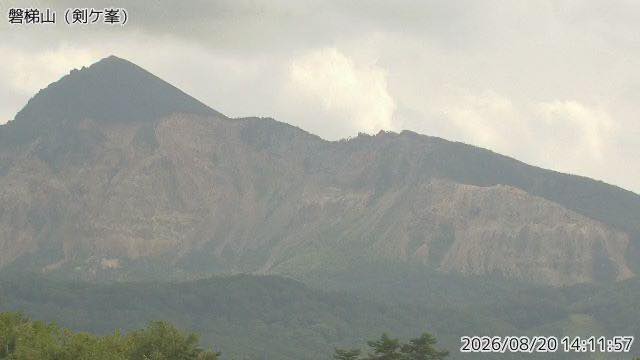
Mount Bandai
Fukushima · Volcano · Nature
The 1888 eruption collapsed the north side, and the debris dammed the valleys into the Urabandai lakes. Front and back look like two different mountains.
-
 Sample August 2026
Mount Nikko-Shirane
Tochigi / Gunma border · Volcano · Nature
The highest mountain in the Kanto region. The camera sits on the shore of Lake Chuzenji and looks west at the range beyond the water.
-
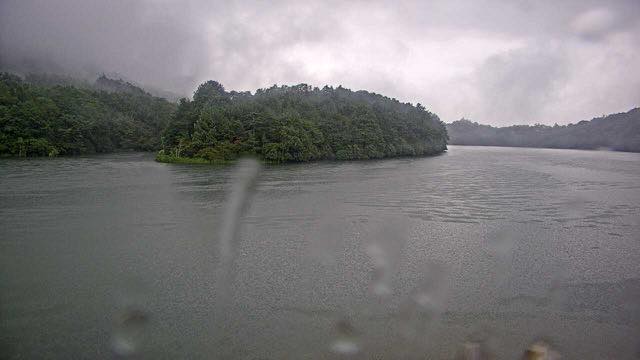 Sample August 2026
Lake Yunoko, Oku-Nikko
Nikko, Tochigi · Nature
A small lake at around 1,400 metres, ringed by old-growth forest. Autumn colour and winter ice both show clearly.
-
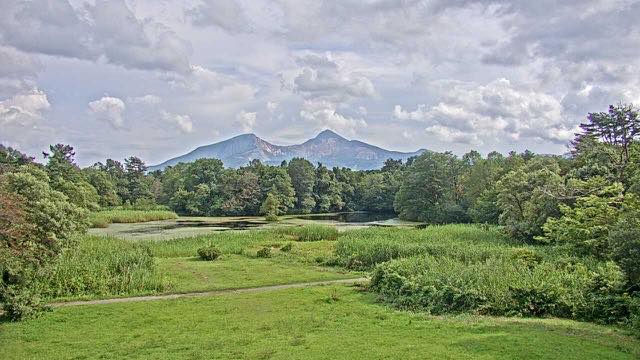 Sample August 2026
Lake Renge and Mount Bandai
Kitashiobara, Fukushima · Nature
One of the lakes created by the 1888 eruption. Pond and mountain sit in the same frame, and the autumn colour layers up between them.
-
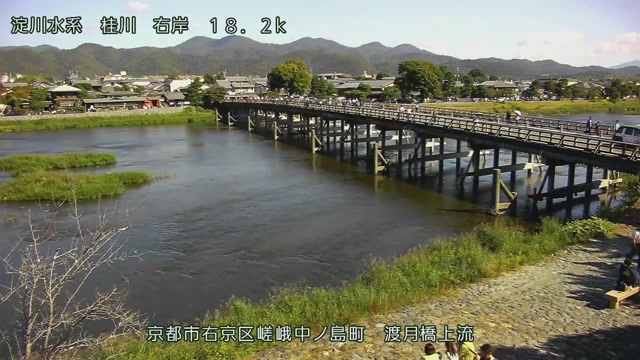 Sample October 2026
Katsura River
Arashiyama, Kyoto · River
It passes under the Togetsukyo bridge at Arashiyama and joins the Yodo. Both a sightseeing view and a river people watch for floods.
When to watch
In an average year the peak arrives in roughly this order. Mid-September: Asahidake. Late September: Midagahara, Zao, Oze, Norikuradake. Early October: Kurikomayama, Azumayama, Nasudake. Mid-October: Lake Towada, Norikura Kogen, Bandaisan, Oku-Nikko. Late October: Ura-Bandai. Late November: Arashiyama. It shifts by one to two weeks from year to year, and runs late after a summer whose heat holds on.
Look in the morning. High mountains build cloud from late morning onward, so through September and October the clear hours are usually the early ones. Low sun also puts more colour into the picture.
The best weather is the day after rain. The air has been washed of dust and sightlines open up, which matters most for the cameras looking a long way out.
Refresh rates differ by operator. The ten Meteorological Agency cameras update every two minutes; the five Ministry of the Environment cameras update once an hour, so depending on when you arrive you may be looking at a picture taken nearly an hour ago. Only Arashiyama is live video.
If it isn't showing
Autumn is also when mountain weather turns unsettled. September brings typhoons and the autumn rain front; October alternates highs and lows, so clear spells rarely last. The higher the camera, the longer it sits inside cloud — Asahidake and Midagahara can stay white all day.
The colour itself photographs paler than it looks in person. These are monitoring cameras, not scenic ones, and reds sink badly under overcast. The same slope on a clear day can look like a different mountain.
After dark the 15 still cameras show almost nothing. If you want something moving at night, the live streams on the Yodo River system are the better choice. The mountains themselves are also covered on Tohoku volcanoes and Oku-Nikko.
Where to find Autumn Leaves
Agencies publishing the cameras on this page
- Japan Meteorological Agency — volcano surveillance cameras (PDL 1.0) — Official site
- MLIT river live streams (Government Standard Terms 2.0) — Official site
- Ministry of the Environment — Internet Nature Institute (PDL 1.0) — Official site
The footage belongs to each agency. This site is an unofficial guide, and each sample frame was copied once per camera under that agency's terms of use.