How to watch
Which live cameras are in daylight
The first thing that trips people up with overseas cameras is almost always the time difference: you open one with anticipation and get a black screen. The 458 cameras here are spread across ten time zones, up to 19 hours from Japan. This is a guide to knowing where it is daylight right now without doing the arithmetic.
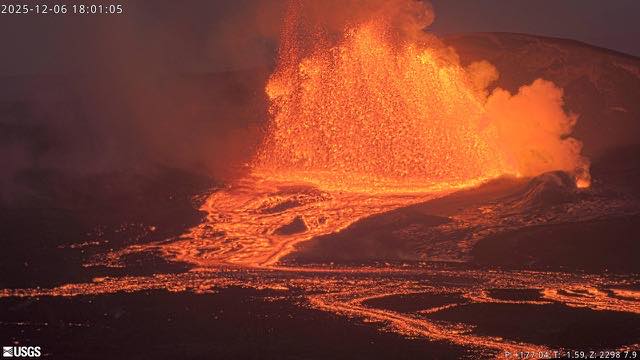
The short version — night in Japan is morning in America
Roughly:
- Morning in Japan (6–9am) — early afternoon in New Zealand. Time for the GeoNet volcano cameras.
- Midday in Japan (noon–3pm) — prime time for the 254 Japanese cameras and the 14 Korean ones. Korea shares Japan's clock, so it watches exactly like a domestic camera (the 14 in Korea). Everything else overseas is dark.
- Evening in Japan (8pm–midnight) — morning to midday in Hawaii and on the US west coast. The American slot.
- Late night in Japan (midnight–3am) — daytime across the whole US mainland and the east. This is in fact when the overseas selection is richest.
So the split is: daytime in Japan for Japan and Korea, staying up late for everywhere else. Japan time is shown at the top right of the front page, and the camera list shows a count of how many are in daylight right now. When in doubt, sort by daylight and the watchable ones come to the top.
Time difference by region
Differences are relative to Japan time. Negative means behind Japan — this morning in Japan is still yesterday afternoon over there.
| Region | Cameras | Summer (about Mar–Nov) | Winter |
|---|---|---|---|
| Japan | 254 | ±0 | ±0 |
| Korea | 14 | ±0 | ±0 |
| New Zealand | 11 | +3 h | +4 h |
| US west coast | 5 | −16 h | −17 h |
| US mountain | 3 | −15 h | −16 h |
| Hawaii | 3 | −19 h | −19 h |
| Arizona | 1 | −16 h | −16 h |
| Alaska | 1 | −17 h | −18 h |
| US east | 2 | −13 h | −14 h |
| UTC | 2 | −9 h | −9 h |
New Zealand's "summer" is the opposite of Japan's — its daylight saving runs from about October to April. The table splits by each place's own daylight saving, not by the Japanese seasons. The two UTC cameras are the International Space Station and a deep-sea exploration robot; they do not stay over one point on the ground, so they have no local time. For these two alone, the sky drawn on the card does not apply either.
Daylight saving, the awkward part
There are two columns because many countries push their clocks forward an hour for the summer. The difference therefore shifts by an hour, twice a year. Japan does not use daylight saving, so from here it feels as though the other end moves on its own.
The switch dates differ by country too. The US runs from the second Sunday in March to the first Sunday in November. New Zealand runs from late September to early April — and being in the southern hemisphere, its seasons are reversed relative to Japan. The result is a confusing few weeks from March into April when both switch and the gap moves by two hours.
On this site, each camera's local time is calculated from the time zone data your browser carries. Daylight saving changes are picked up automatically, so there is no need to memorise the table. Trust the local time printed on the card.
Some places skip daylight saving
To complicate things, parts of the US do not observe it. Two of them matter here.
- Hawaii (Kilauea, Mauna Loa, Hawaii Volcanoes National Park) — 19 hours behind Japan all year. 9pm in Japan is 2am in Hawaii; 5am the next morning in Japan is 10am in Hawaii. In other words, early morning in Japan is the Hawaii window.
- Arizona (Grand Canyon) — also no daylight saving; fixed at 16 hours behind Japan year-round. Which produces a twisted relationship: the same clock as the west coast in summer, an hour ahead of it in winter.
Quick reference by hour
Regions that are in daytime at each Japanese hour. Sunrise and sunset move with the season, so treat this as approximate.
| Japan time | In daylight |
|---|---|
| 6–9am | New Zealand (early afternoon to evening) |
| 9am–5pm | Japan (the 254 domestic cameras) |
| 8–11pm | Hawaii (morning), US west coast (morning) |
| midnight–4am | All of the US (daytime), Hawaii (daytime) |
| 4–6am | Hawaii (afternoon), New Zealand (morning) |
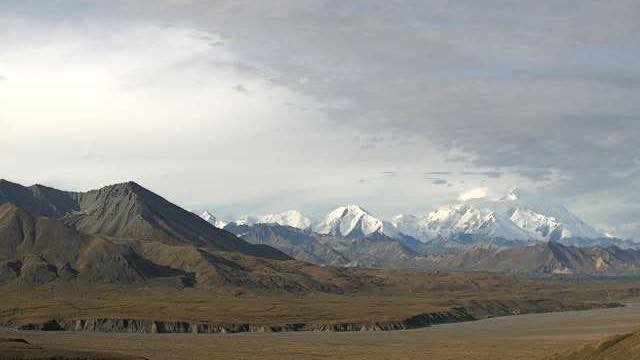
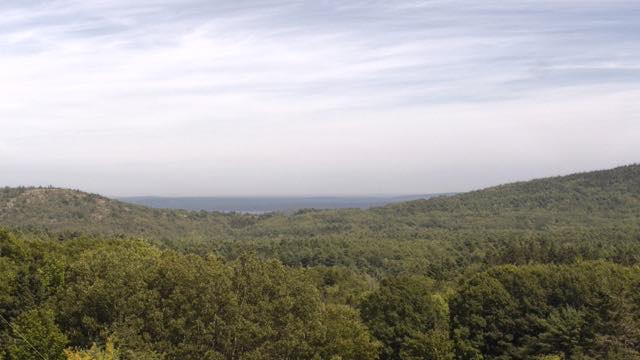
If you want to watch the overseas cameras in one sitting, midnight to 3am Japan time is the most efficient window. From Denali in Alaska to Acadia on the east coast, they are all in daylight together.
Daylight is no guarantee
Even with the timing right, sometimes there is nothing to see. Usually it is one of these.
- Weather — fog, blizzards, heavy rain. Mountain cameras end up inside cloud routinely.
- Ice or condensation on the lens — an everyday occurrence on high mountains in winter. If the whole frame is a white blur, this is why.
- Seasonal closure — in parks where roads close for winter, cameras can go down because they cannot be serviced.
- Maintenance and equipment swaps — anything from a few days to a few weeks.
High-latitude cameras have one more catch. Denali in Alaska barely gets a night in summer, and in exchange gets very little daylight in winter. Your arithmetic can be perfectly correct and there still be almost no daytime at that location in that season.
The time difference looks like a nuisance and turns into a useful tool. Settle on "Hawaii before bed, New Zealand in the morning" and you get to look in on daylight somewhere else on Earth twice a day. If you cannot decide where to start, the volcano cameras are the easiest entry point.