Nature
Sunrise and Sunset: 13 Live Cameras — five countries
13 cameras whose own descriptions mention sunrise or sunset. Three are for the hours around sunrise, eight for the hours around sunset, and two are named for both. Five are in Taiwan, four in the US, two in Japan, one in South Korea and one in Kenya.
What you can see
We only gathered cameras whose providers themselves mention sunrise or sunset. Nothing here is a best time we decided on our own.
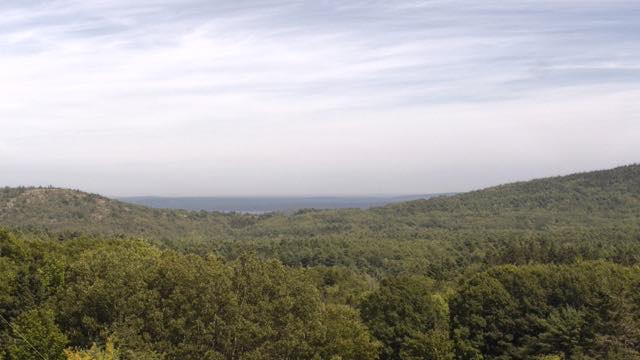
Three cameras for the hours around sunrise. Alishan, Ogasawara viewing platform is a circular deck open in all directions, built for watching the sun rise above a sea of clouds, and people gather there before dawn. Acadia National Park, where rocky shoreline meets low mountains on the east coast, is one of the first places in the continental US the morning sun reaches. The Mpala river in Kenya watches a crossing that animals use, but the provider recommends the sunrise between 6 and 7 in the morning local time.
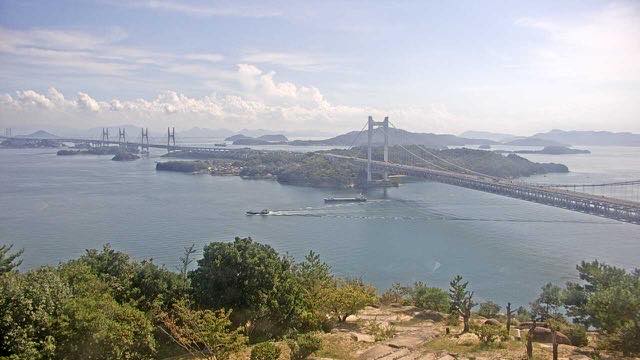
Eight cameras for the hours around sunset. The Eryanping trail opens to the west, so the highlight is the evening, when the sun sets into the sea of clouds. Houbihu is a fishing harbour in a bay ringed by coral reef, and also known for its sunsets. The Changhua plain from Baguashan also faces west, so the sunset and then the night view follow one another. The Niupuzai meadow has ranges stacked up behind it, and in the evening the ridgelines stand out against the light. In the Seto Inland Sea from Mount Washu, the Great Seto Bridge and the islands overlap, and in the evening the sea shines into the camera. The Jukmak trail in South Korea runs along a peninsula reaching into the Yellow Sea, and because the sun sets on that side, clear-day sunsets show well. The Rainbow Bridge is framed from the Odaiba side across Tokyo Bay, and at sunset the sea and the sky turn the same colour. The summit of Mount Diablo is the highest point on Santa Cruz Island, 2,429 feet above the sea, with the sunset and the breaking waves below.
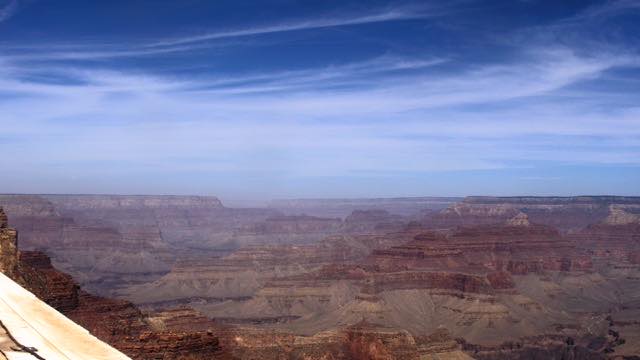
Two cameras named for both ends of the day. The Grand Canyon cuts through two billion years of rock, and around sunrise and sunset the canyon walls turn red, so the view changes completely with the hour. The Naknek River in Alaska is described as having beautiful sunrises and sunsets all year round.
We put these 13 together because where the direction of the light is fixed, the hour changes the picture more than the weather does.
Cameras you can watch now: 13
10 video, 3 still. Tap one to open it in the camera list.
-
Live video
Alishan, Ogasawara viewing platform
Alishan, Chiayi · Nature
A circular platform open on every side. It was built to watch the sun rise above a sea of cloud, and people gather here before dawn.
-
 Sample September 2026
Acadia National Park
Maine · Nature
Rocky coastline meeting low mountains on the east coast. One of the first places in the continental United States to get the morning sun.
-
Live video
The Mpala river
Laikipia · River · Wildlife
Set upstream of the waterhole, with the wildlife corridors on both banks in frame at once. Elephants, giraffes and kudus make their way down. The operator recommends between 06:00 and 07:00 local time for the sunrise.
-
Live video
Eryanping trail
Alishan, Chiayi · Nature
A footpath climbing through tea terraces. It faces west, so the hour when the sun drops into the sea of cloud is the one to watch.
-
Live video
Houbihu
Kenting, Pingtung · Sea
A fishing harbour and yacht mooring in a bay ringed by coral reef. The water is very clear, and the spot is known for its sunsets.
-
Live video
Changhua plain from Baguashan
Baguashan, Changhua · City · Nature
The view from a low hill behind the city of Changhua. It faces west, so sunset and night view come one after the other.
-
Live video
Niupuzai meadow
Fanlu, Chiayi · Nature
A wide lawn at the foot of the road up to Alishan. Ranges stack up behind it, and in the evening the ridgelines stand out against the light.
-
 Sample September 2026
Seto Inland Sea from Mount Washu
Kurashiki, Okayama · Sea · Nature
A lookout known for its scatter of islands. The Great Seto Bridge overlaps the island silhouettes, and evening backlight sets the water shining.
-
Live video
Jukmak trail, Byeonsanbando
Buan, North Jeolla · Sea · Nature
A coastal path on a peninsula reaching into the Yellow Sea. Unlike Japan's Pacific coast, the sun sets over the water here, so clear evenings show it well.
-
Live video
Rainbow Bridge
Minato, Tokyo · City · Sea
The bridge across Tokyo Bay, seen from the Odaiba side. The towers of the city stack up beyond it, and at sunset the sea and the sky take the same colour.
-
Live video
Summit of Mount Diablo, Santa Cruz Island
California, Santa Cruz Island · Nature · Sea
A camera at the top of Mount Diablo, also called Devil's Peak, the highest point on California's Channel Islands. From 2,429 feet above the ocean: sunsets, breaking waves, curious island foxes and soaring eagles.
-
 Sample September 2026
Grand Canyon
Arizona · Nature
Two billion years of rock cut into a canyon. Around sunrise and sunset the walls turn red, and the place looks like somewhere else entirely.
-
Live video
Naknek River at King Salmon
Alaska, King Salmon · River · Wildlife
The Naknek River runs through the town of King Salmon just outside Katmai National Park. Thirty-five miles long, it empties into Bristol Bay and drains one of the most productive salmon watersheds on Earth. In spring, once the ice breaks, watch for beluga whales chasing small fish and for migrating swans, geese and ducks. Sunrises and sunsets are worth it all year.
When to watch
The times below are copied from what the providers wrote, and nothing else. Ogasawara platform: before dawn. The Mpala river: 6 to 7 in the morning local time. Eryanping, Niupuzai, Mount Washu and the Jukmak trail: the evening. The Grand Canyon: around sunrise and sunset. The clock times of sunrise and sunset move with the season, but the providers do not publish them, so we do not set them here.
10 of the 13 are video streams. Three are still images, and Mount Washu changes once an hour.
For cameras abroad, what matters is the Japanese hour their morning and evening fall on. The five in Taiwan are 1 hour behind Japan, the one in South Korea is on the same clock, and the one in Kenya is 6 hours behind. In the US, Acadia (Maine) is 13 hours behind on summer time and 14 in winter, the Grand Canyon (Arizona) keeps no summer time and so is 16 hours behind all year, Mount Diablo (California) is 16 and 17 hours, and the Naknek River (Alaska) 17 and 18 hours behind (calculated 2026-09-18), so evening over there falls in the Japanese morning. Which cameras are in daylight now has the details.
If it isn't showing
The providers are the Forestry and Nature Conservation Agency of Taiwan, the Alishan National Scenic Area, Kenting National Park, the Tri-Mountain National Scenic Area, the Ministry of the Environment of Japan, FNN Prime Online, the Korea National Park Service, the US National Park Service and explore.org. Only three cameras have a sample image here: Acadia, the Grand Canyon and Mount Washu. For the rest the provider does not allow copies of the images, or no usable frame has been captured yet; How we handle the camera images explains this.
Each place is covered in full on Alishan Forest Railway (Ogasawara platform), Alishan Tea Terraces (Eryanping, Niupuzai), Kenting (Houbihu), Changhua (Baguashan), The Seto Inland Sea (Mount Washu), Bridges (Rainbow Bridge), US and Korean National Parks (Acadia, the Grand Canyon, Byeonsanbando), Desert Parks, USA (the Grand Canyon), Wide Views of the US (Mount Diablo), African Rivers (the Mpala river) and Brooks Falls Bears and Salmon (the Naknek River).
The two cameras that watch the sun rise above the clouds are also in Seas of Clouds and Fog. All the mountain and forest cameras are under Nature.
Where to find Sunrise and Sunset
Agencies publishing the cameras on this page
- Alishan National Scenic Area (Taiwan open government data) — Official site
- FNN Prime Online (Links free, no reuse) — Official site
- Kenting National Park (Taiwan open government data) — Official site
- Korea National Park Service (Public work, free use) — Official site
- Ministry of the Environment — Internet Nature Institute (PDL 1.0) — Official site
- Taiwan Forestry and Nature Conservation Agency (Taiwan open government data) — Official site
- Tri-Mountain National Scenic Area (Taiwan open government data) — Official site
- U.S. National Park Service (U.S. government work) — Official site
- explore.org (Deep links and embeds OK, no image reuse) — Official site
The footage belongs to each agency. This site is an unofficial guide, and each sample frame was copied once per camera under that agency's terms of use.